What We’re About
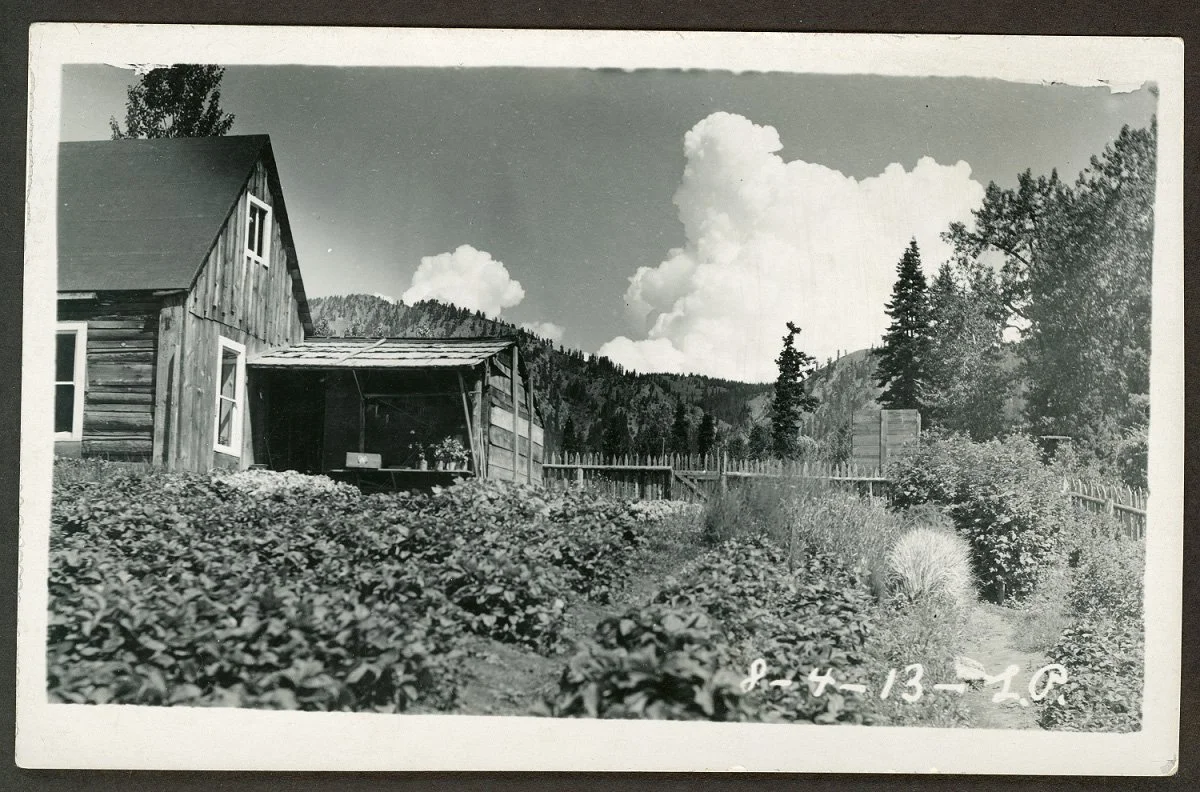
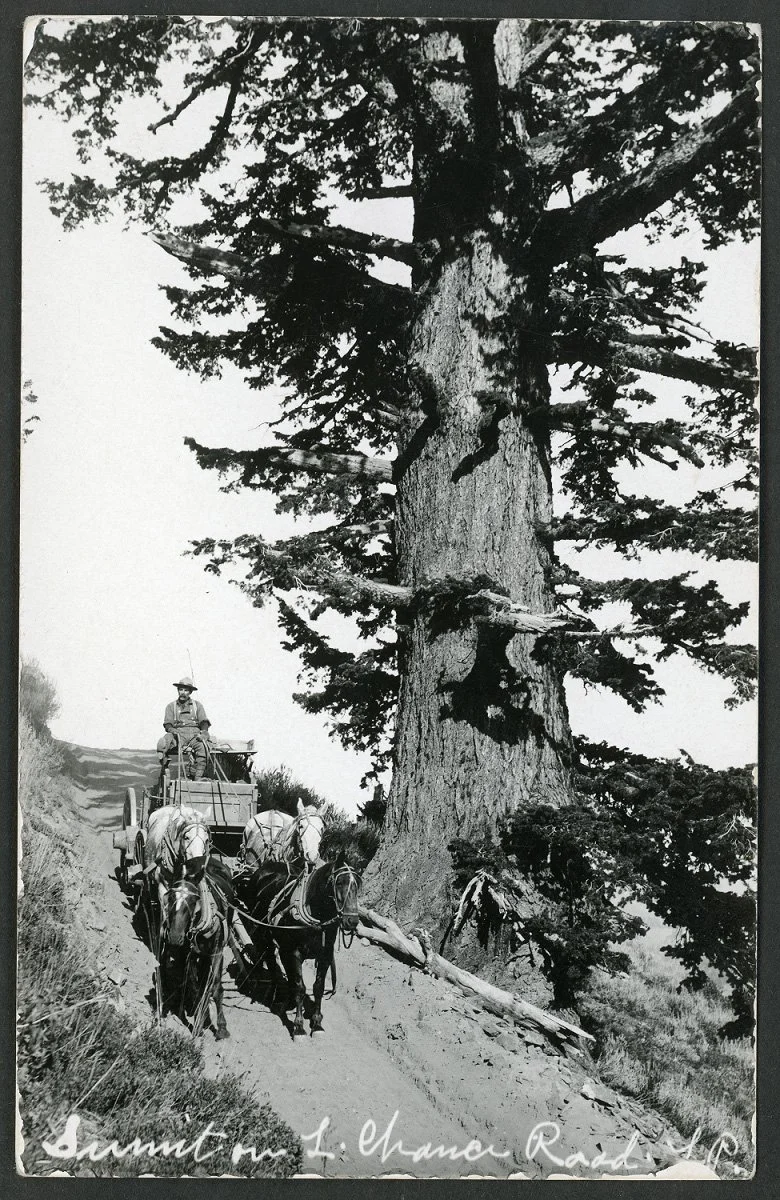
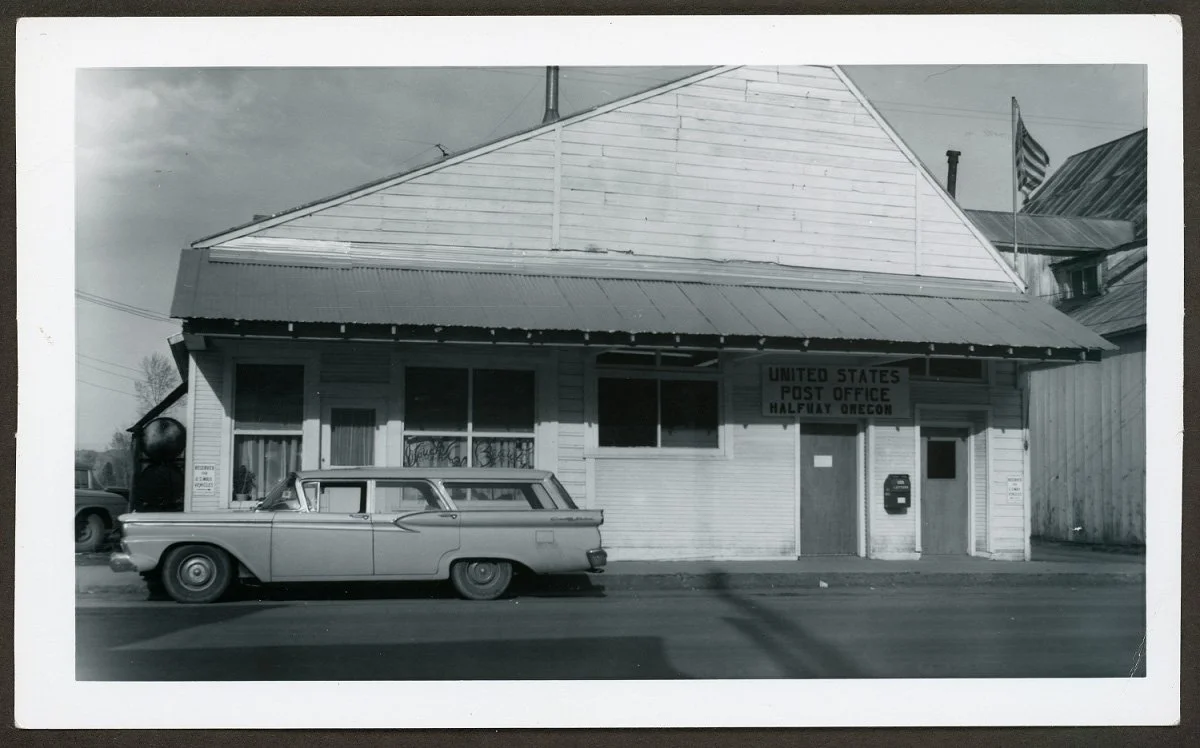
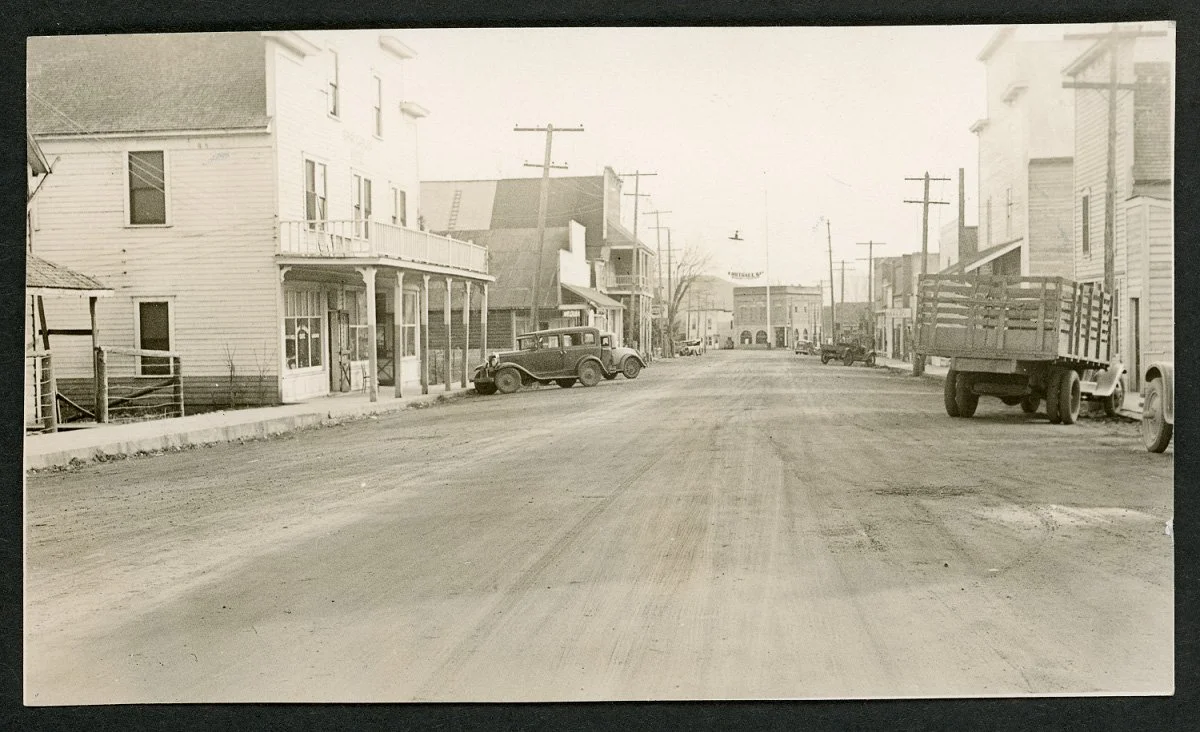
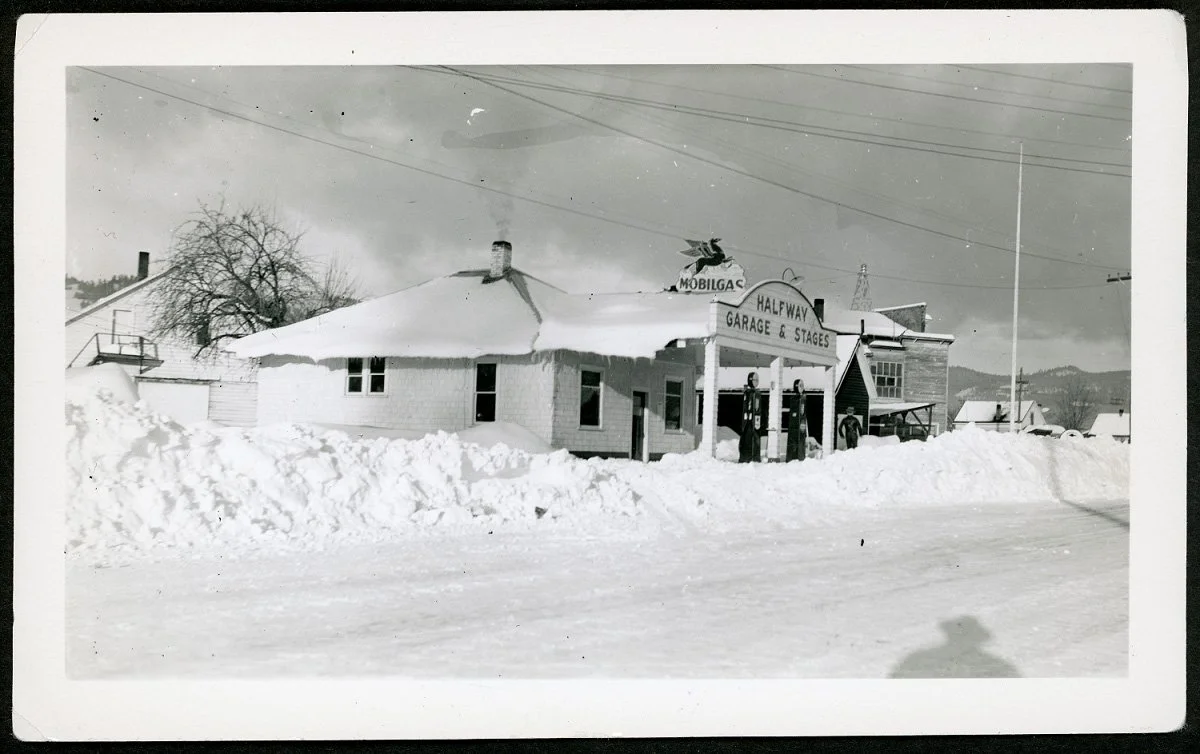
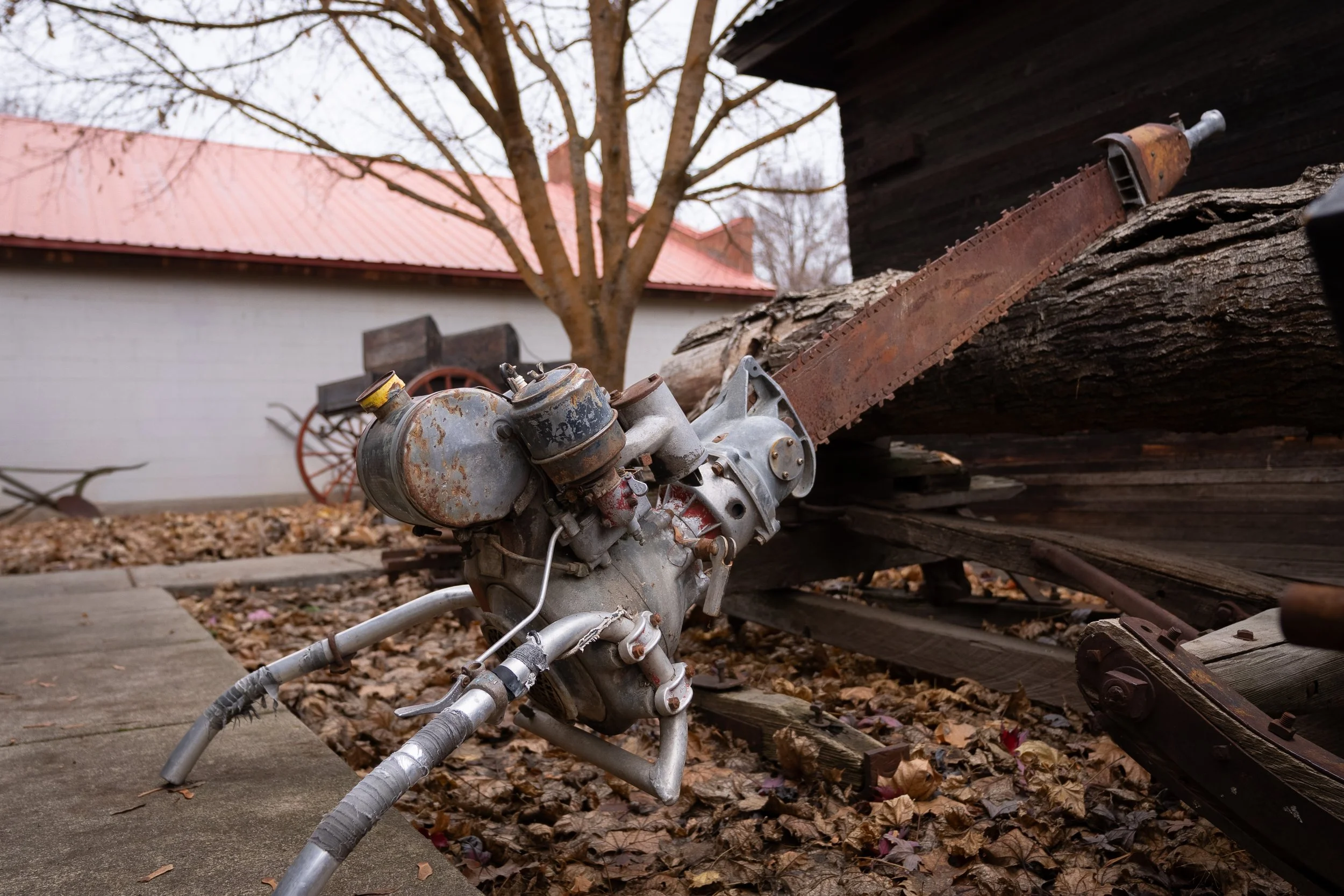
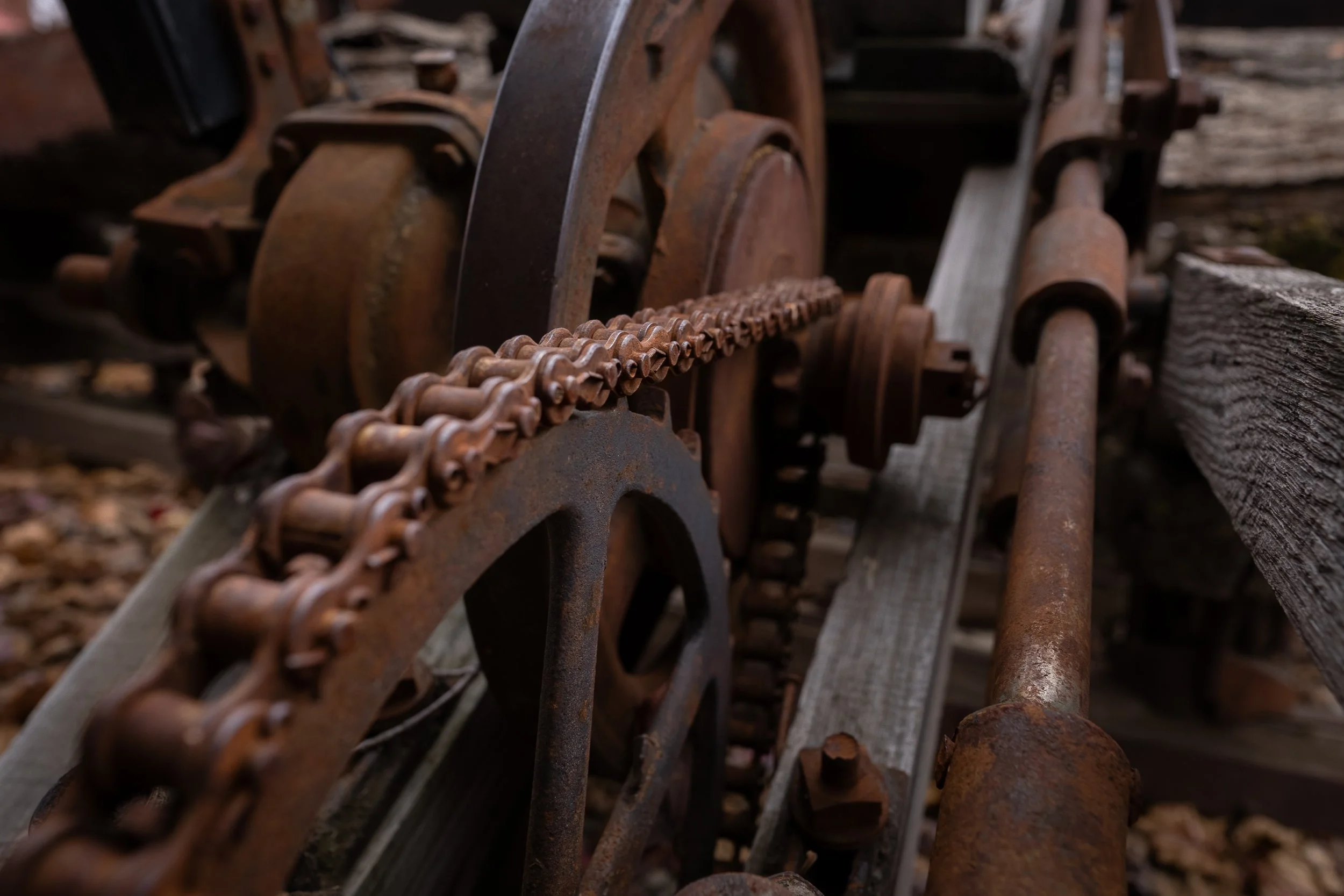
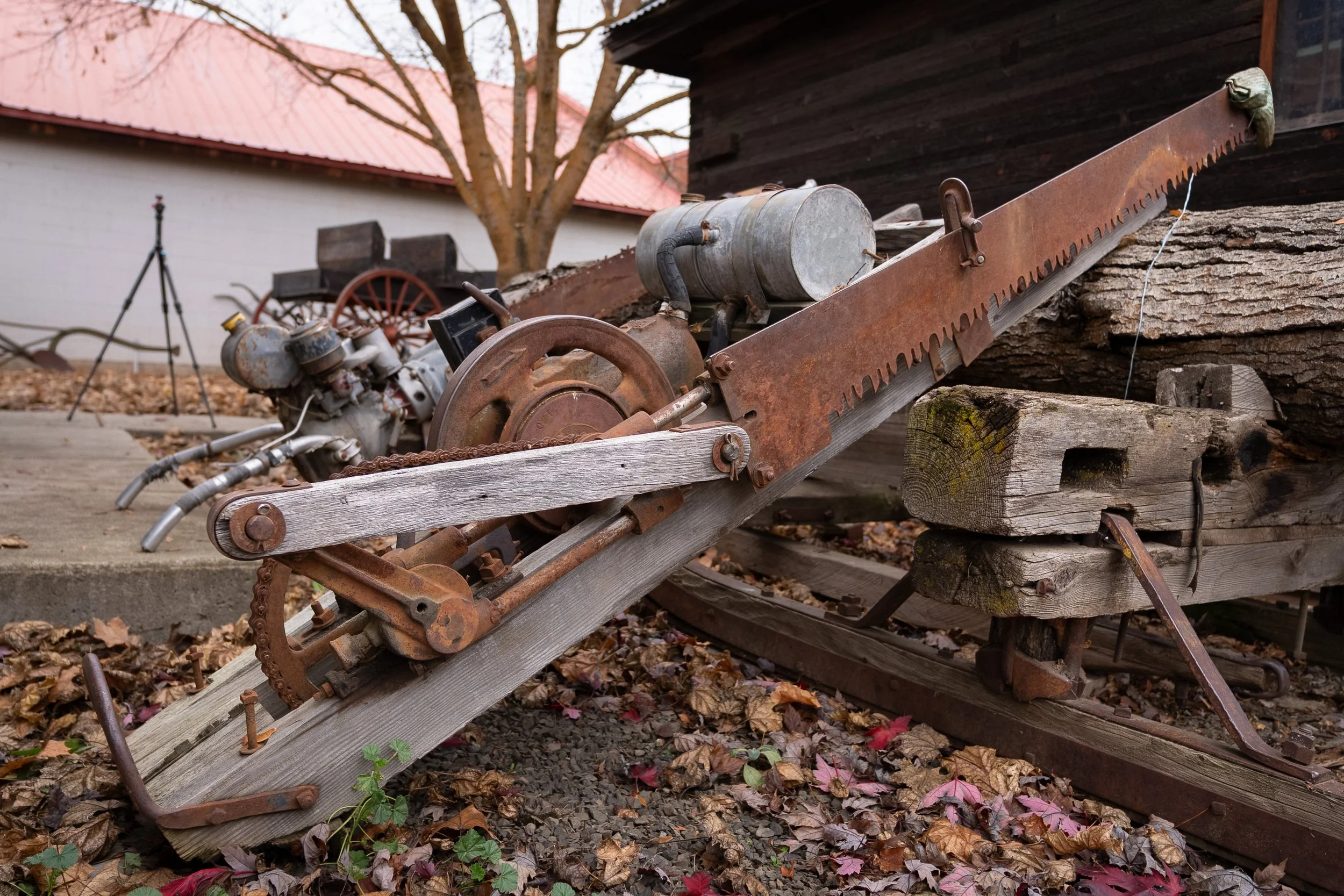
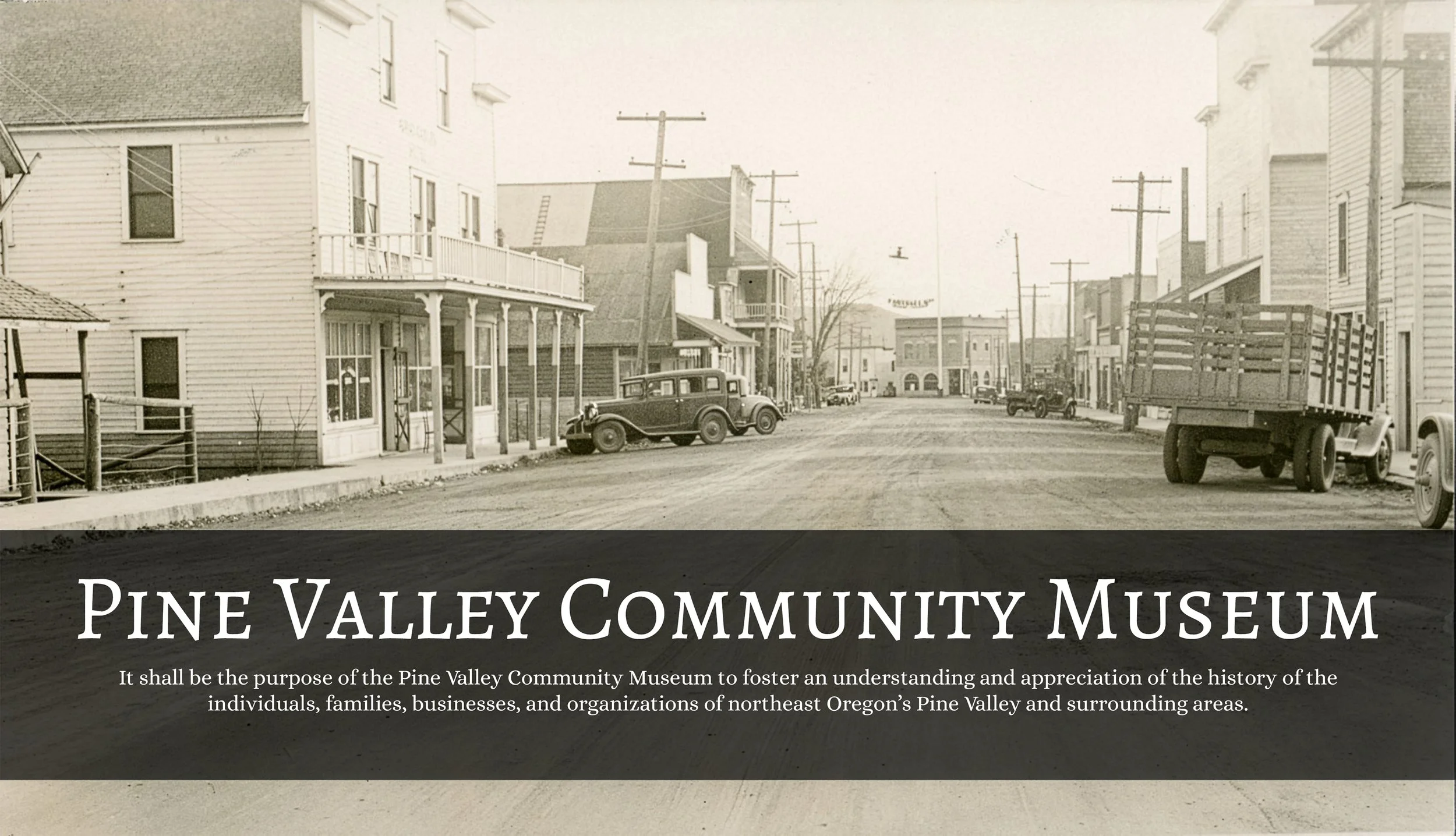
The Pine Valley Community Museum is dedicated to preserving the cultural, industrial, and social history of Halfway, Oregon and the greater Pine Valley. Founded through local effort and stewardship, the museum collects, protects, and interprets artifacts that reflect the valley’s long-standing ties to mining, timber, agriculture, and rural life.
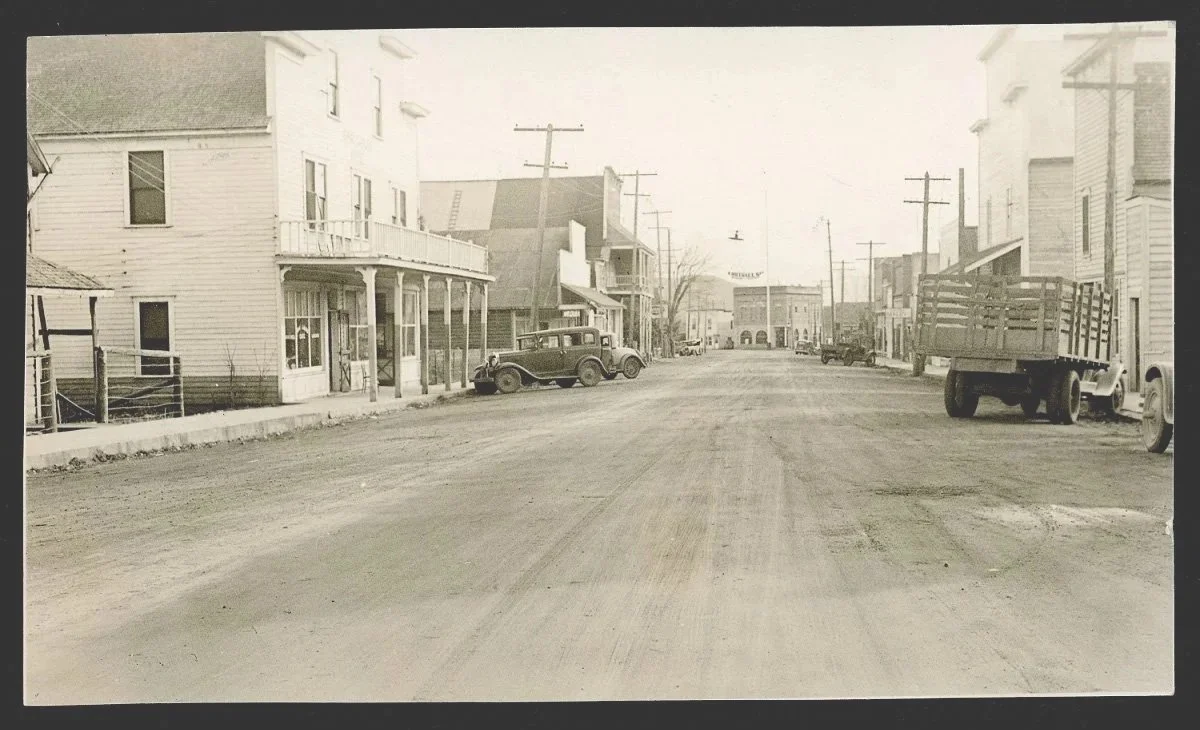
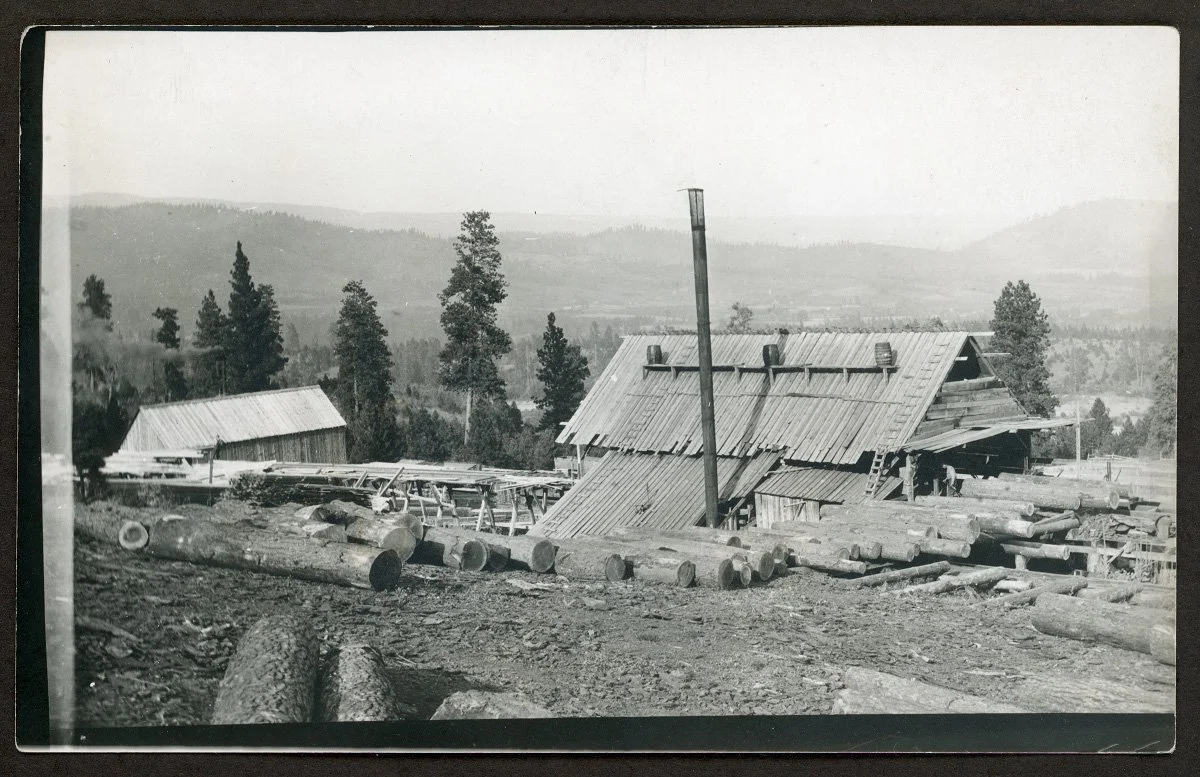
Our exhibits showcase the development of the region—from early homesteads and logging operations to the growth of community institutions, businesses, and everyday traditions. Through curated displays, archival materials, and community contributions, the museum provides a window into the resilience and ingenuity that defined generations of Pine Valley residents.
What To Expect
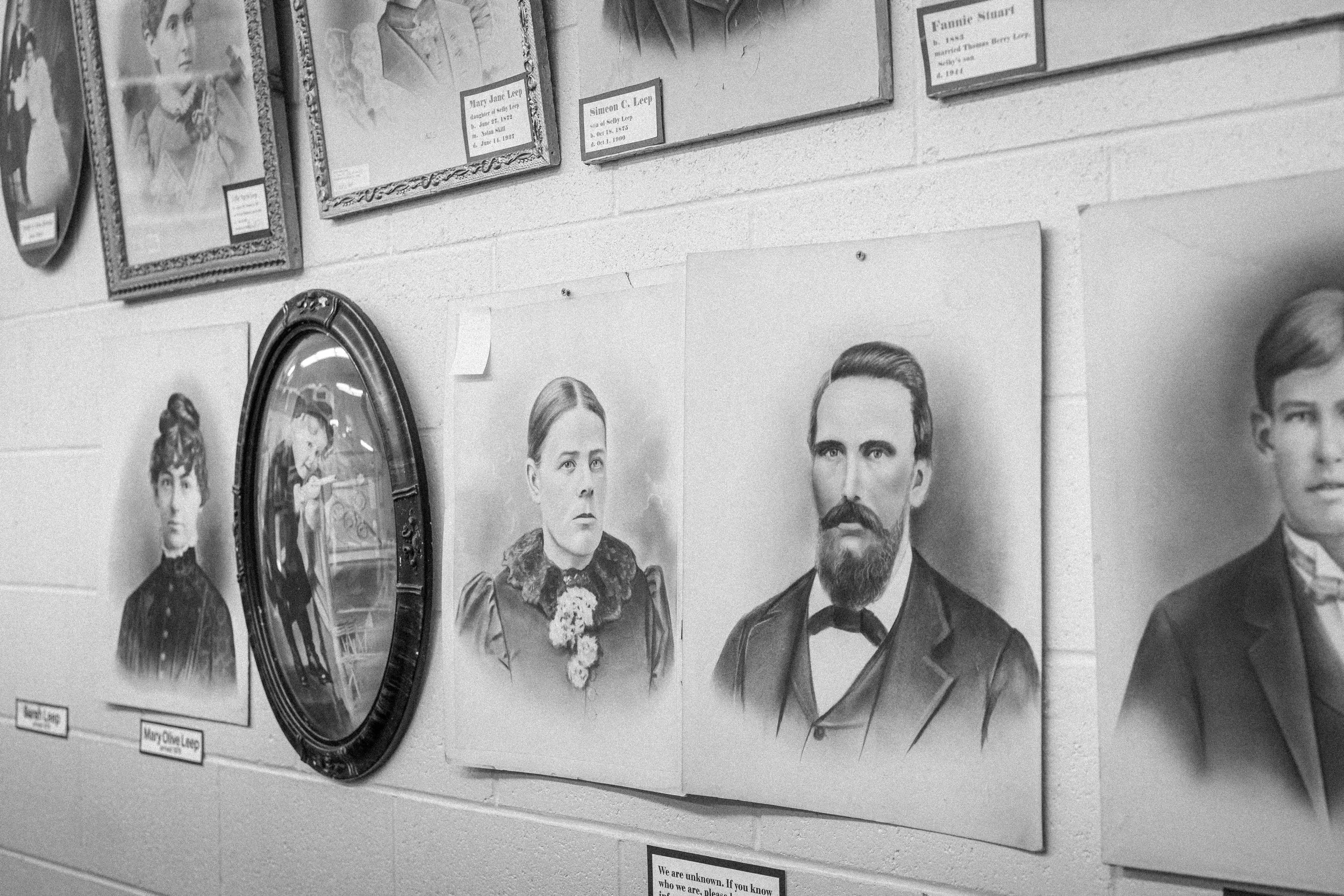
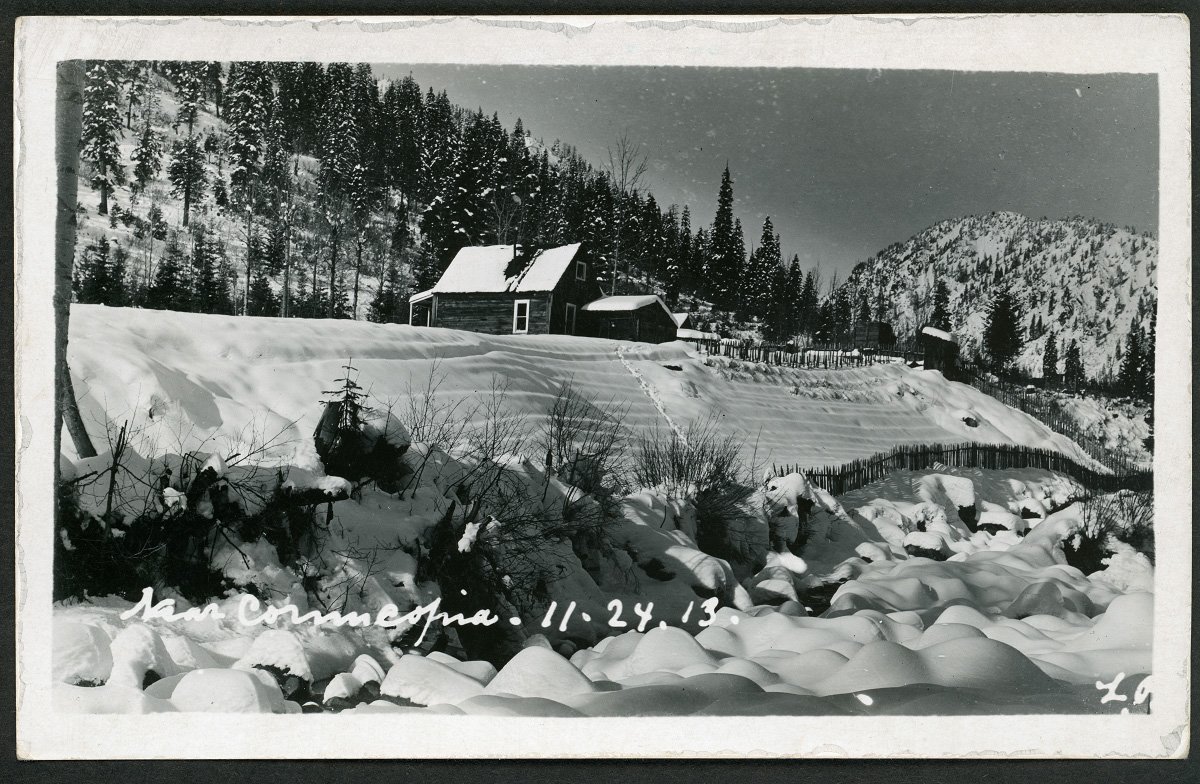
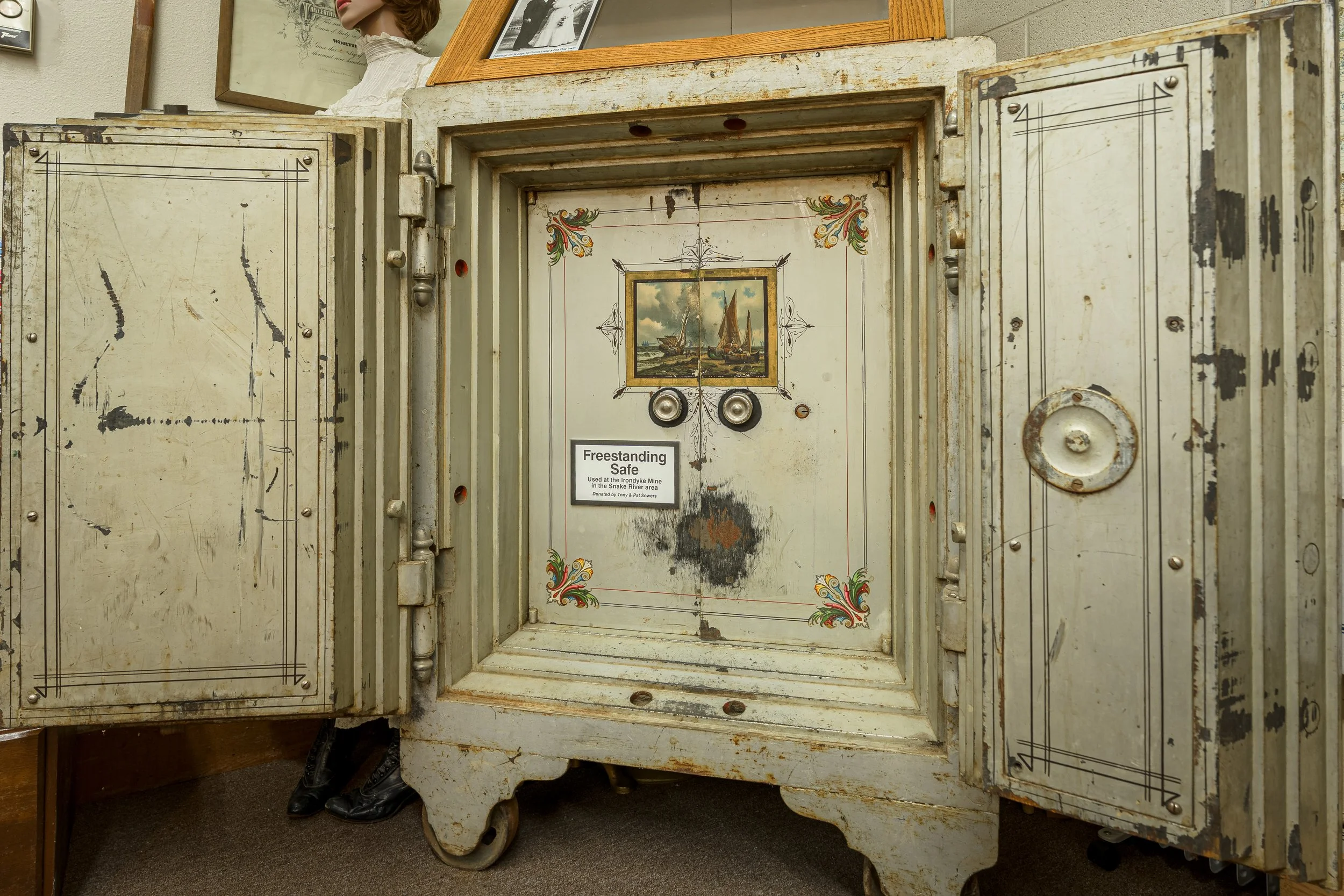
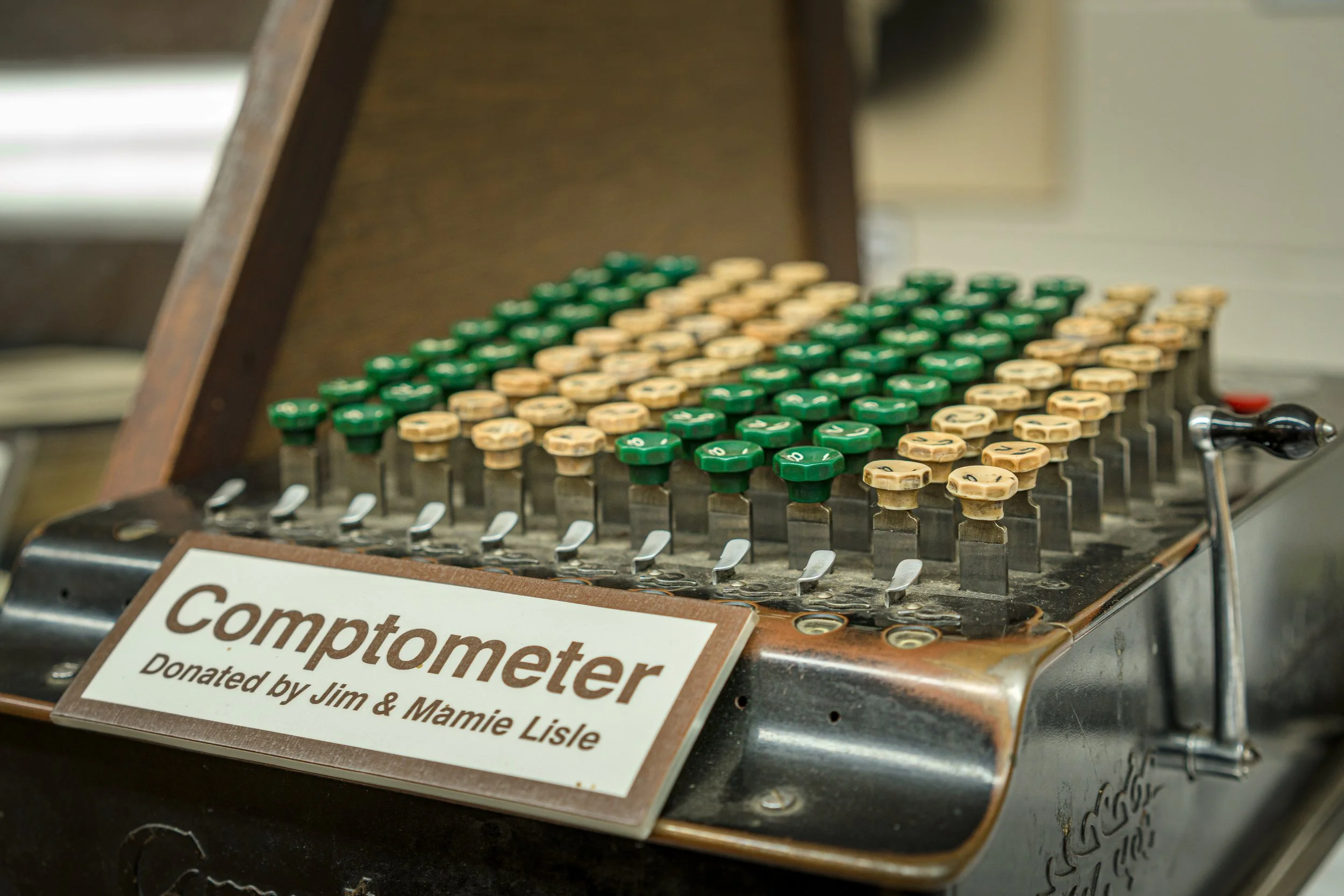
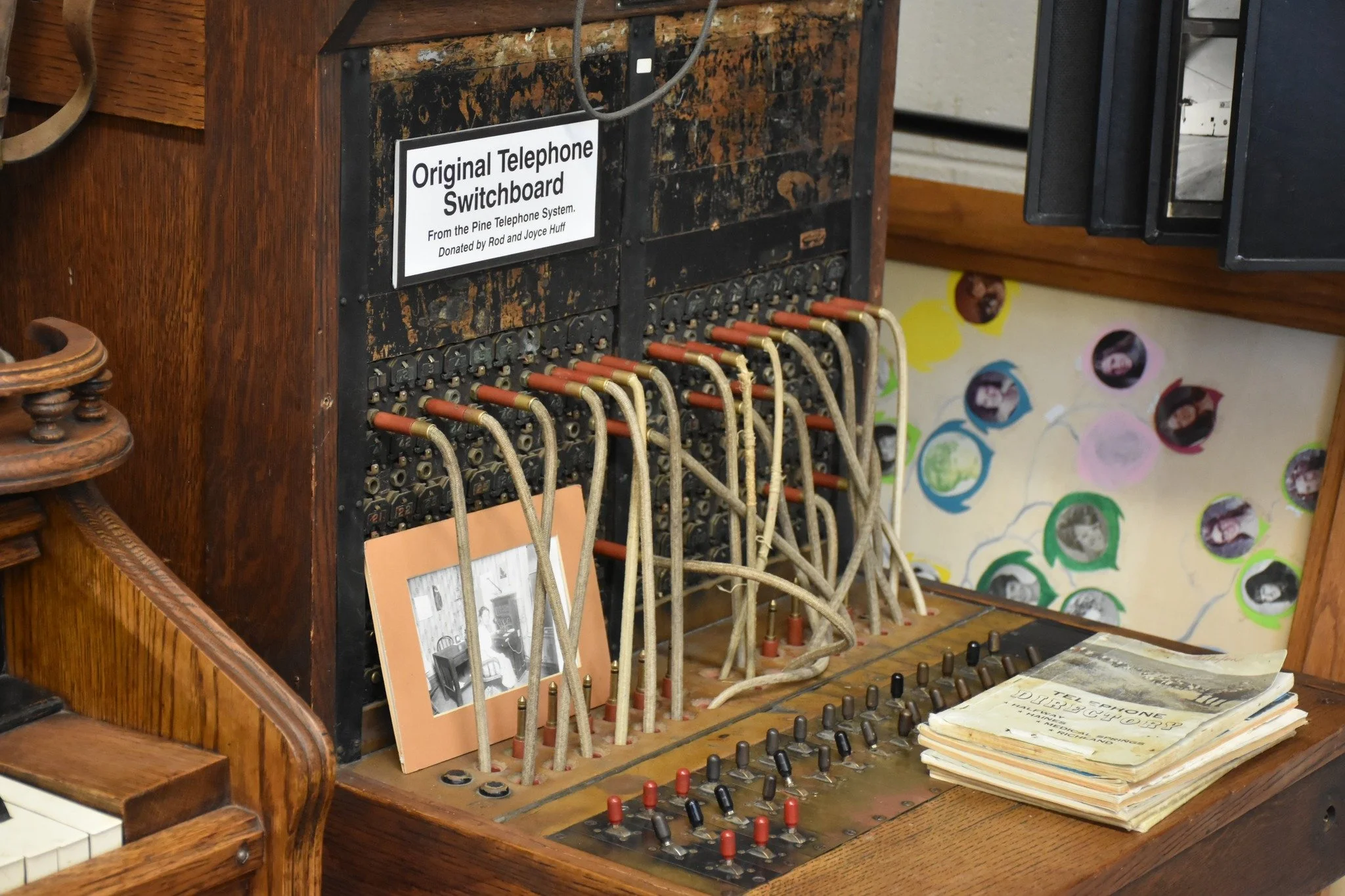
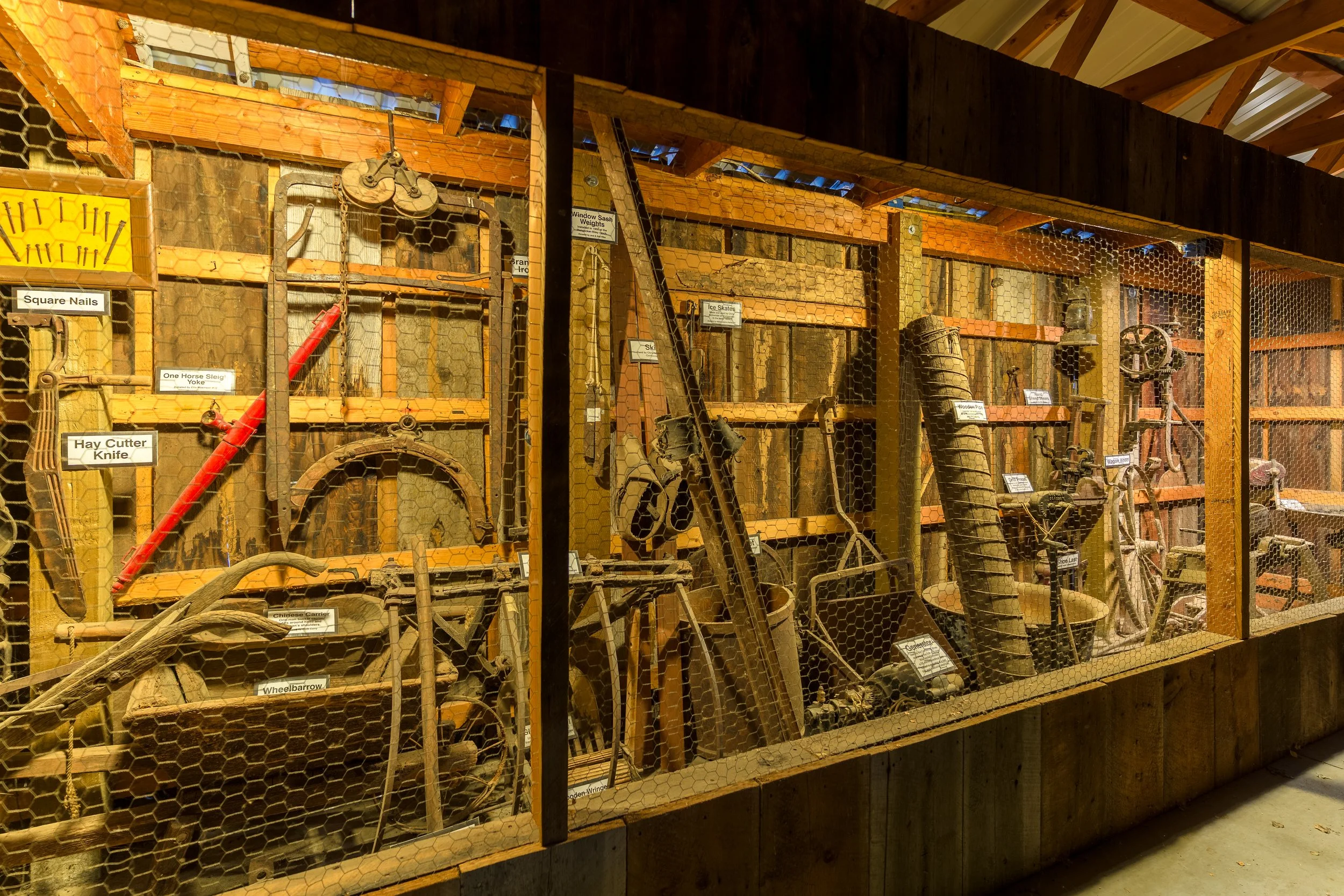
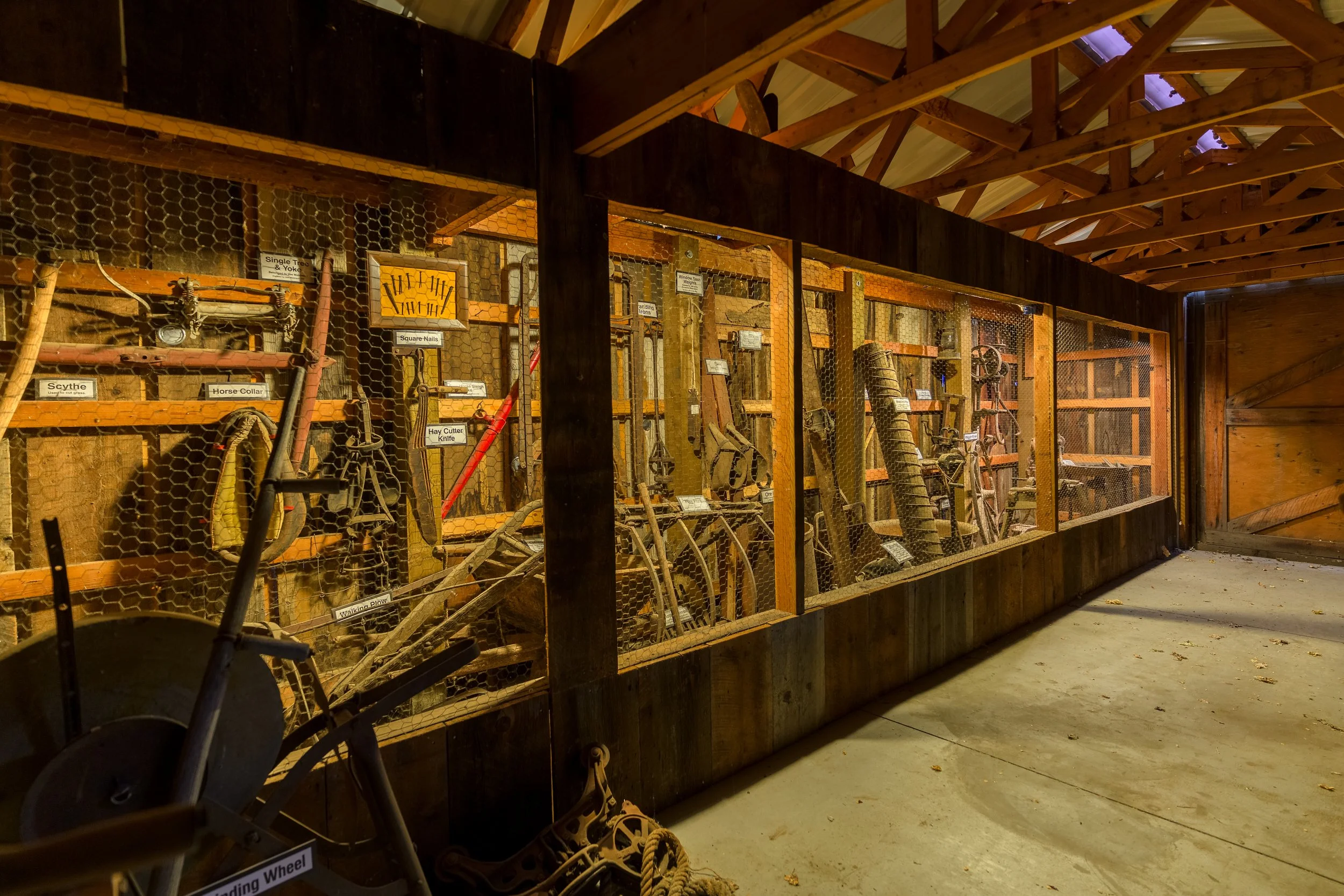
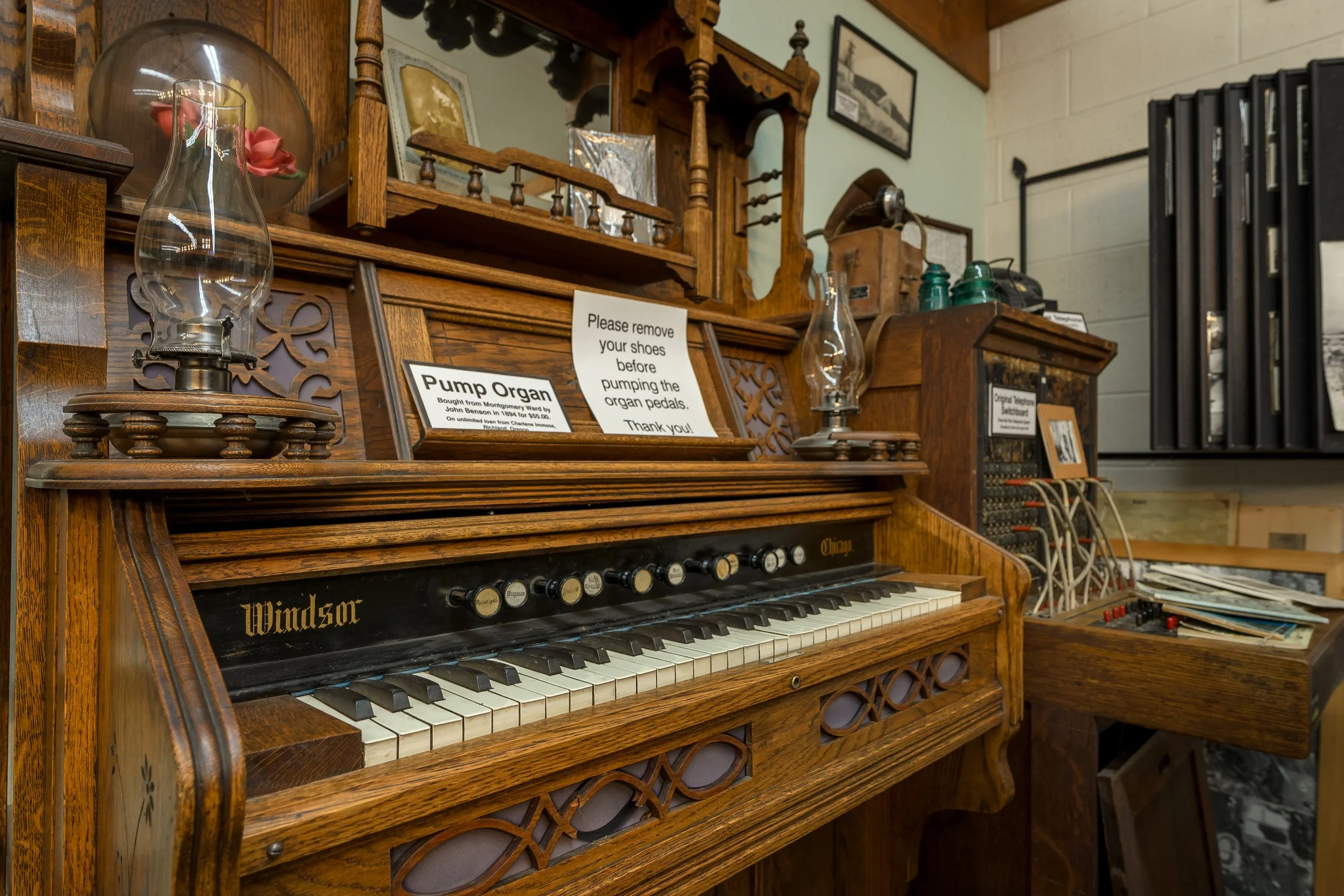
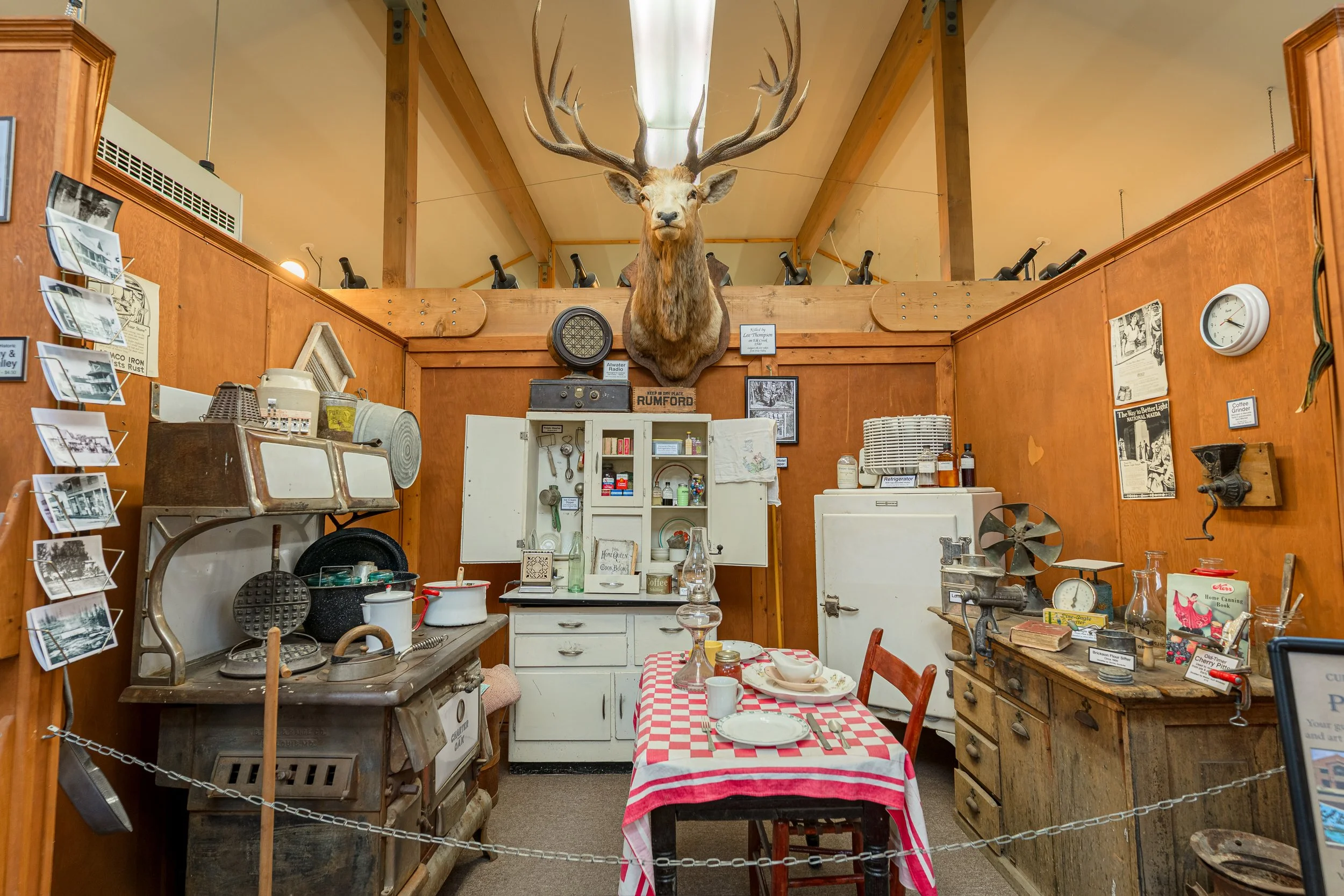
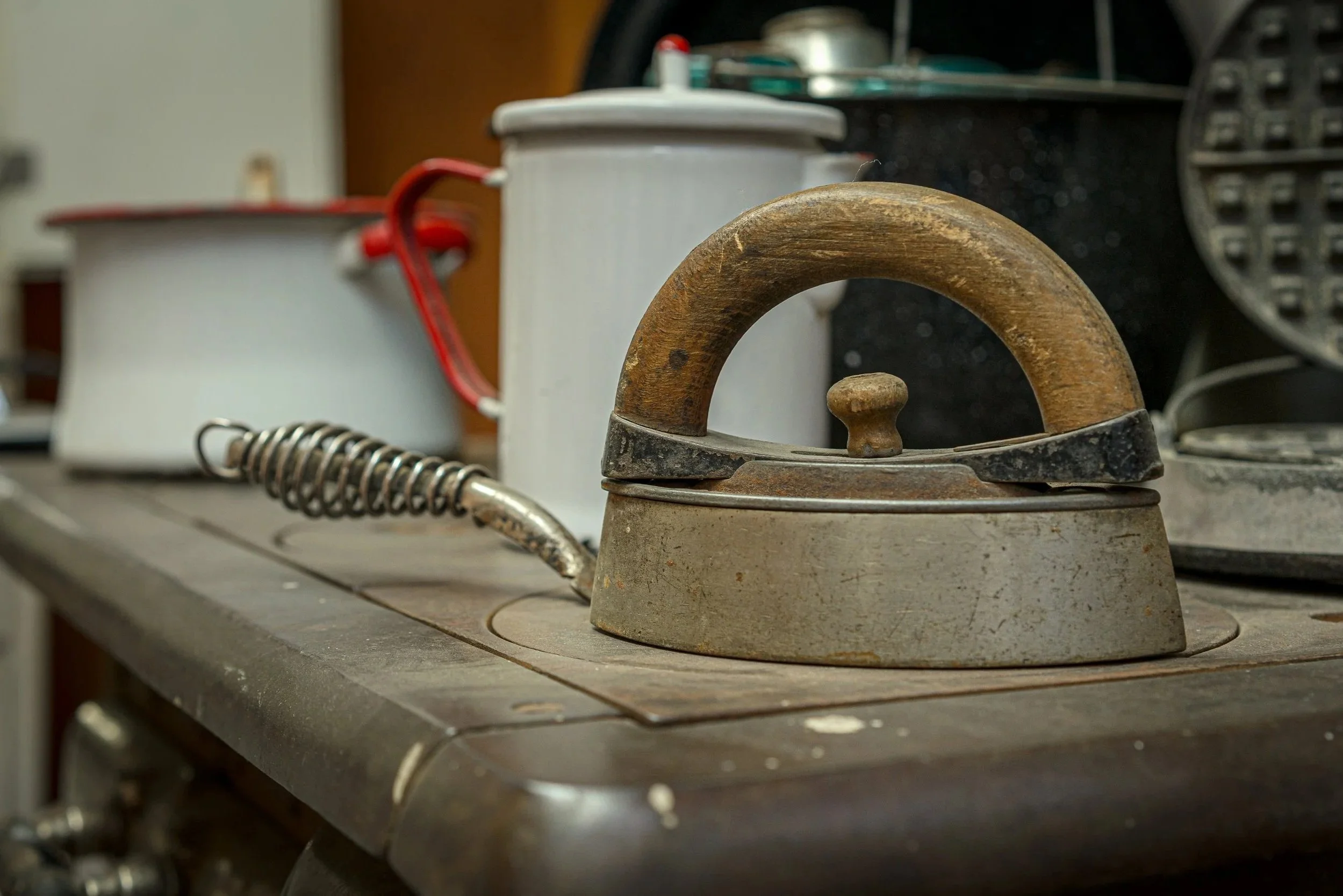
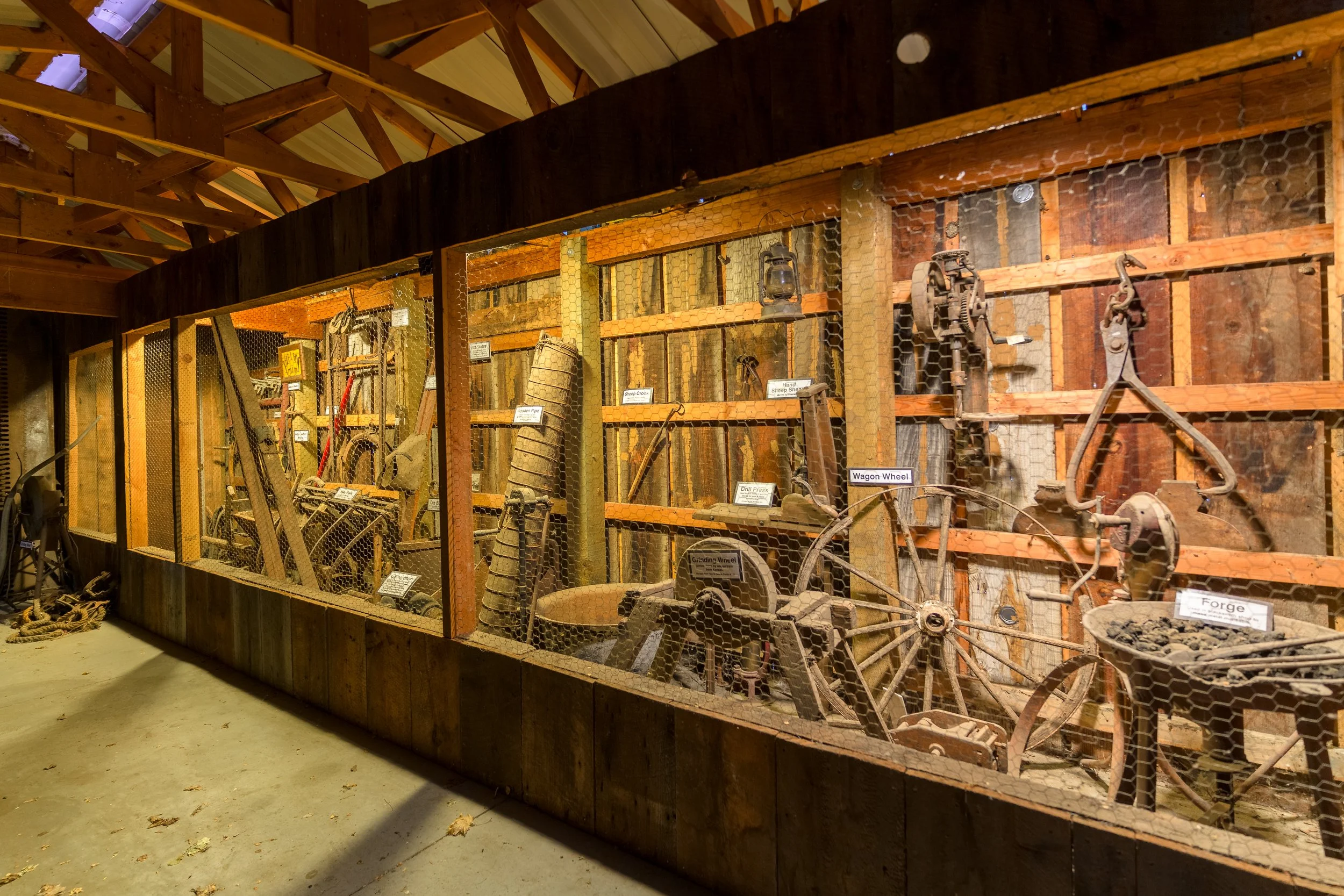
The Museum’s interior is packed with historic artifacts, photos, and documents depicting the history of the Valley as well as considerable information on the truly famous gold-mining town of Cornucopia – 11 miles up into the Wallowa Mountains from Halfway – at one time the most productive gold mining operation in Oregon and one of the most productive in the country.
We welcome your interest in our history and hope you enjoy our web site and can one day visit our Museum in person!
Visit the museum
Admission is always free!
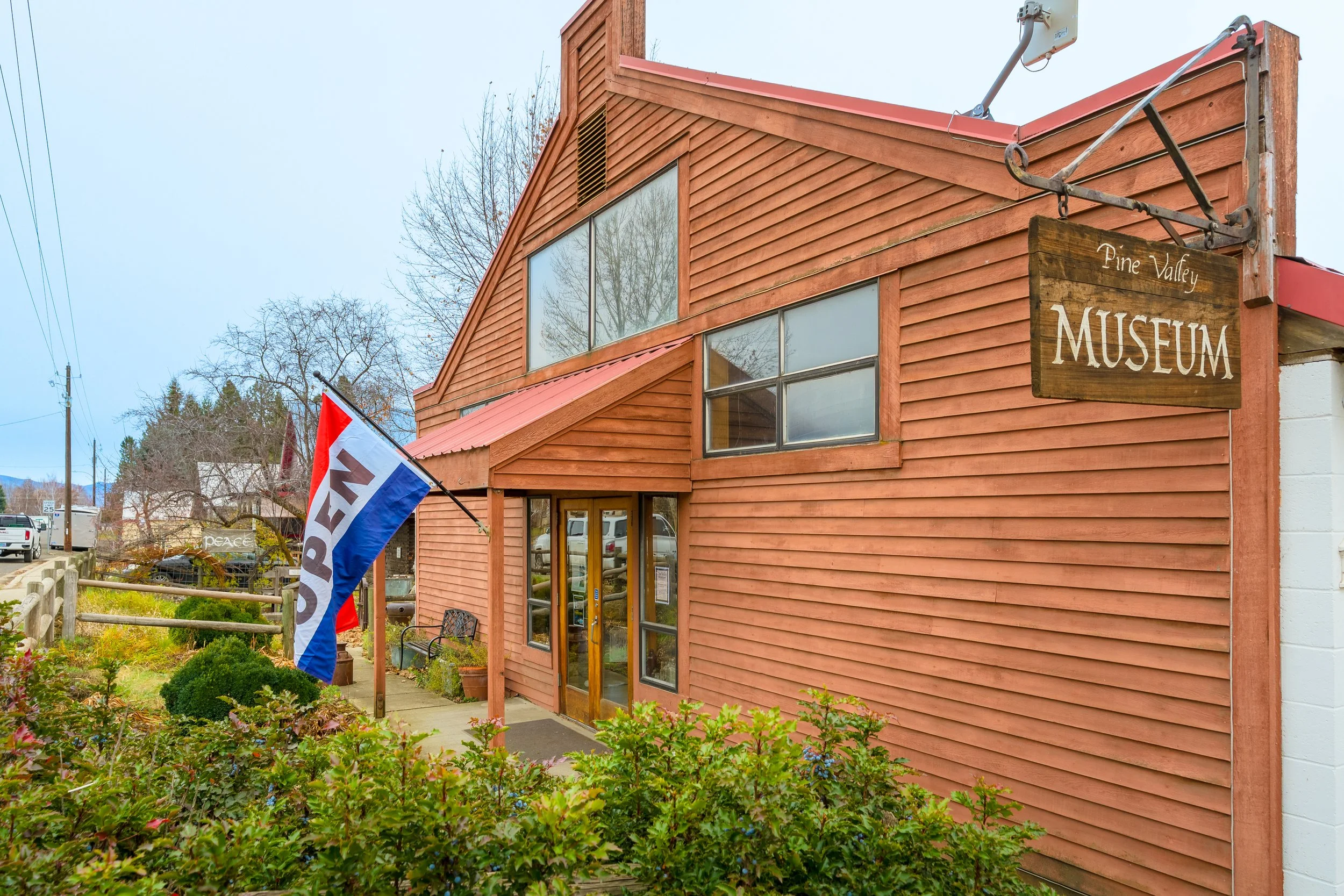
The Museum's regular season runs from Memorial Day weekend through Labor Day weekend.
Fridays: 1-4pm
Saturdays: 10am-4pm
Sundays: 10am-1pm
Year-round, access to the Museum (including on short notice) is available by appointment.
Our History
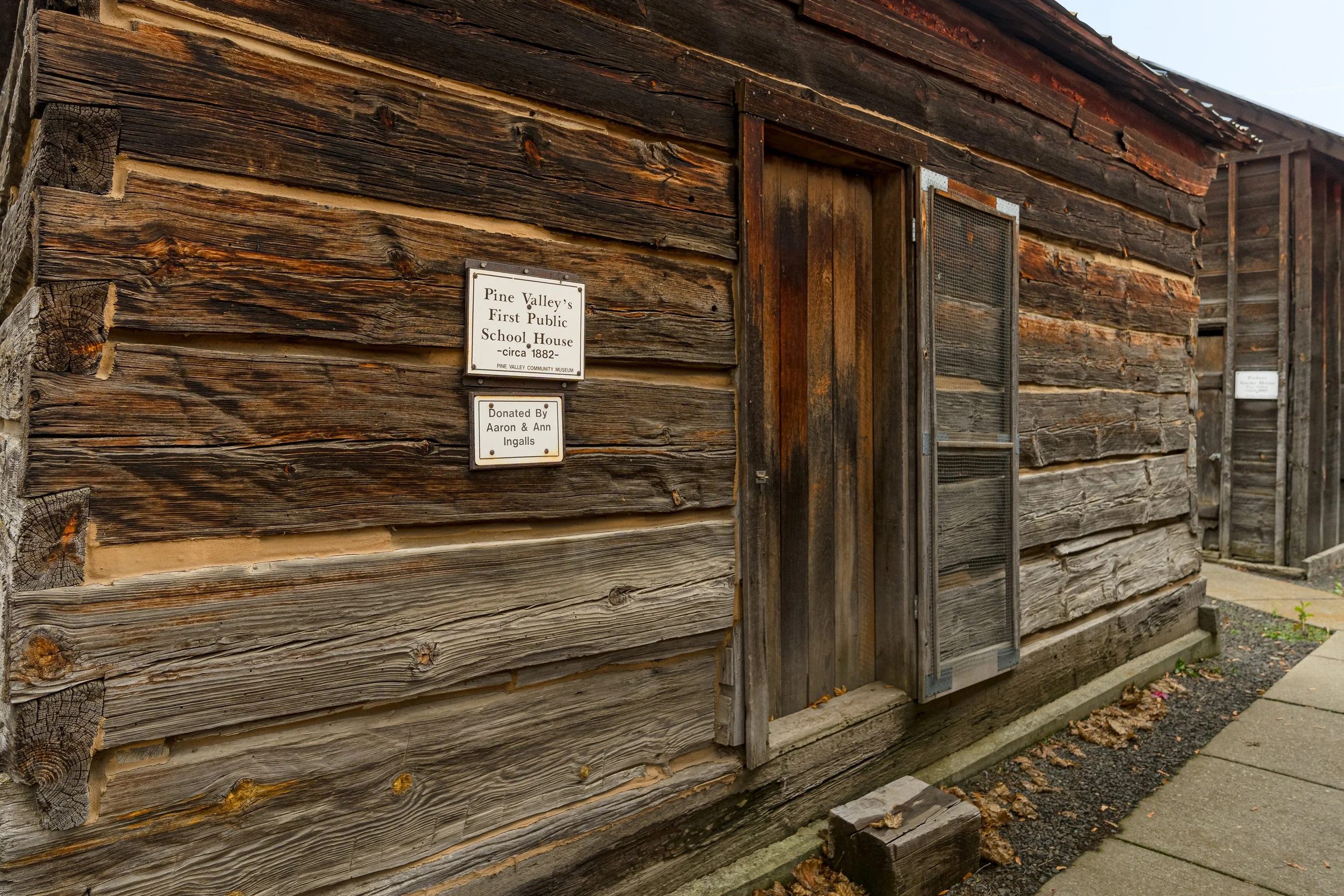
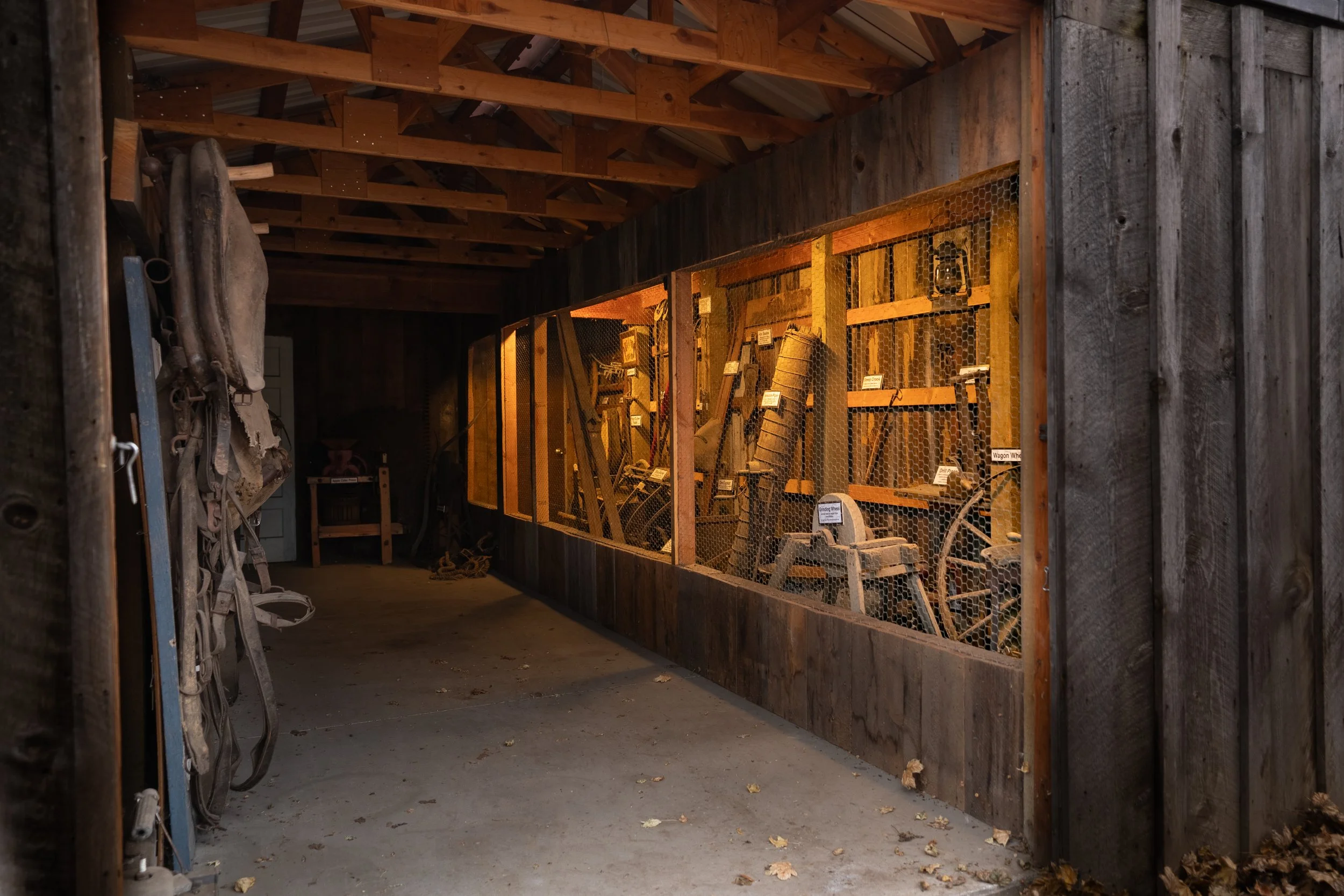
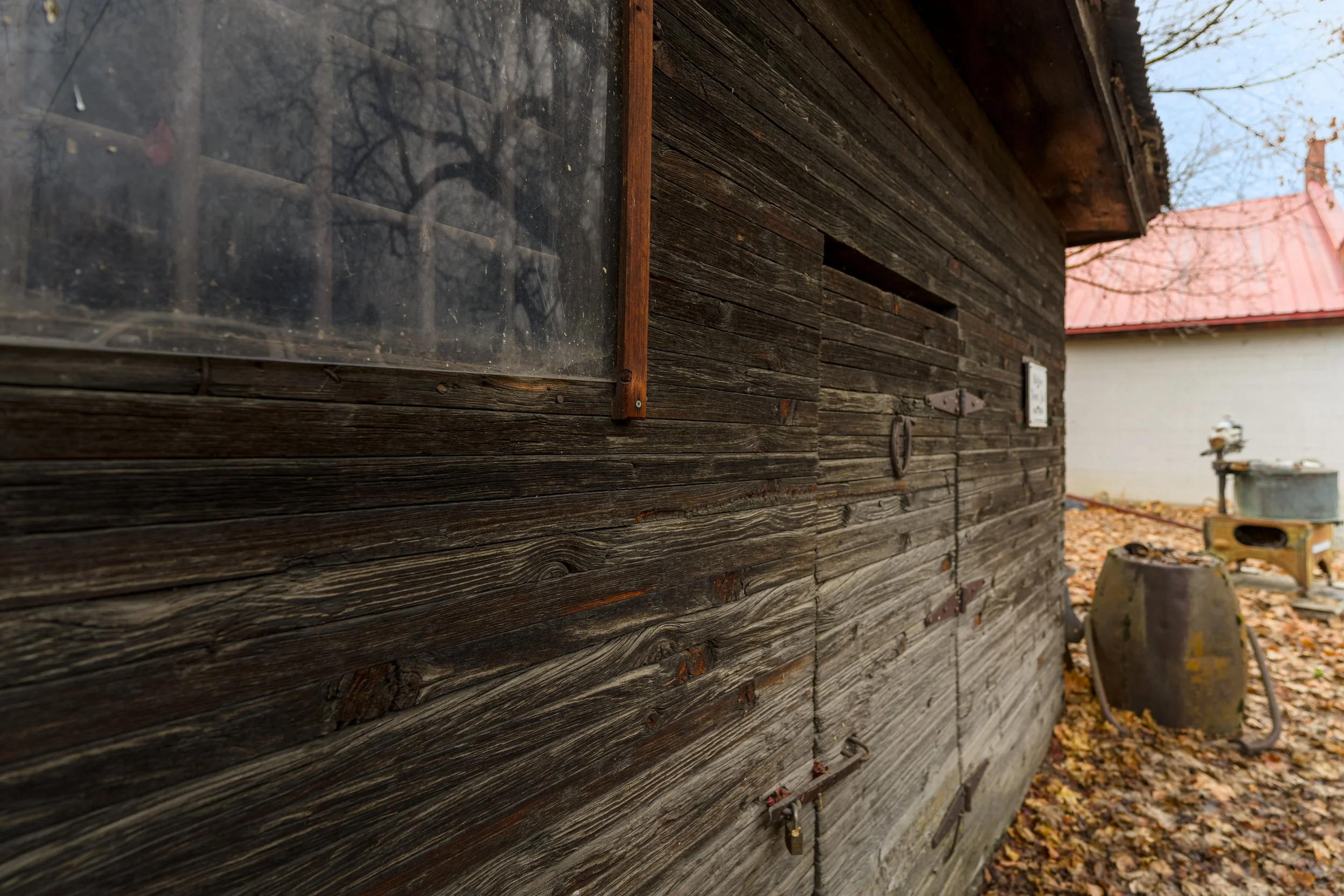
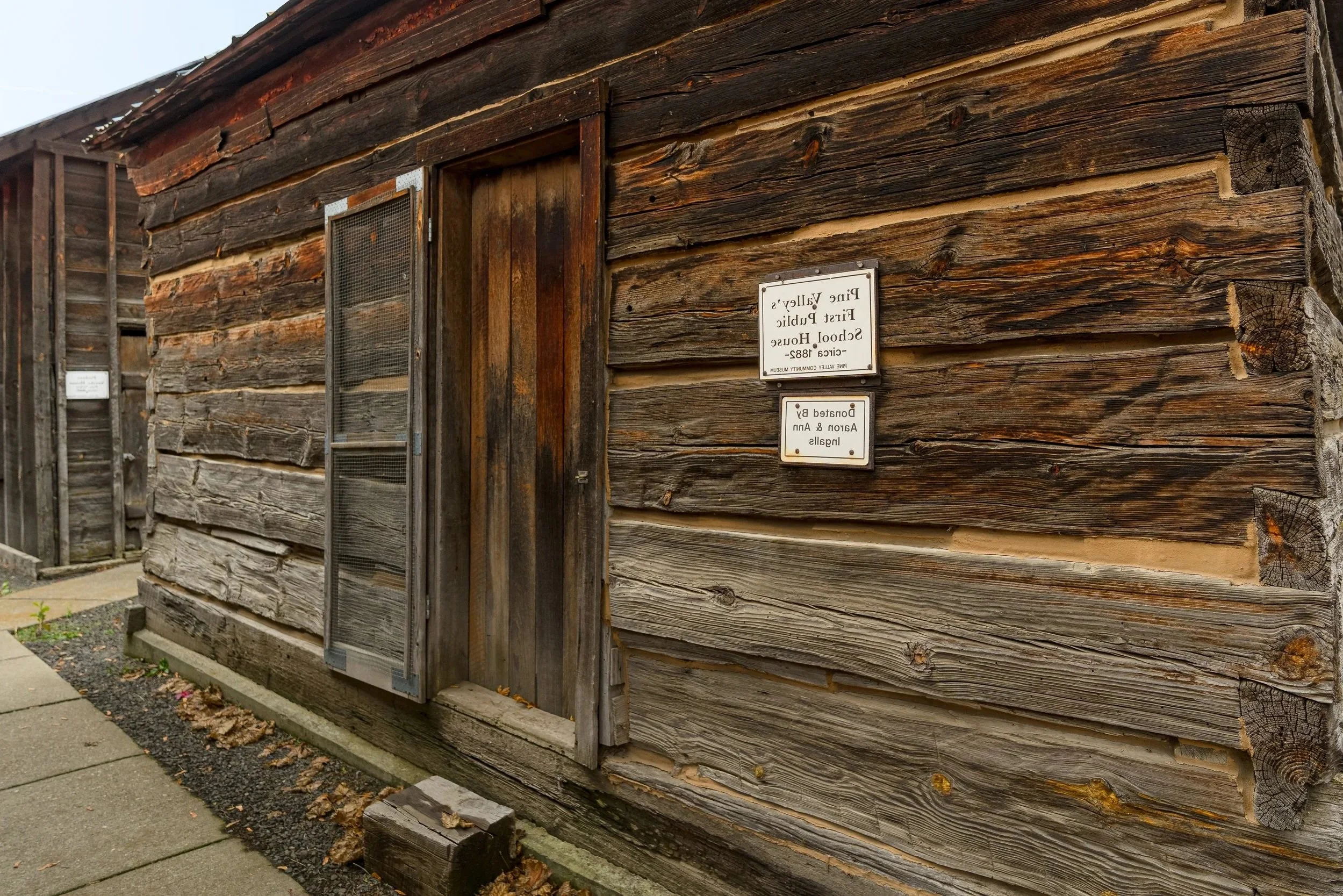
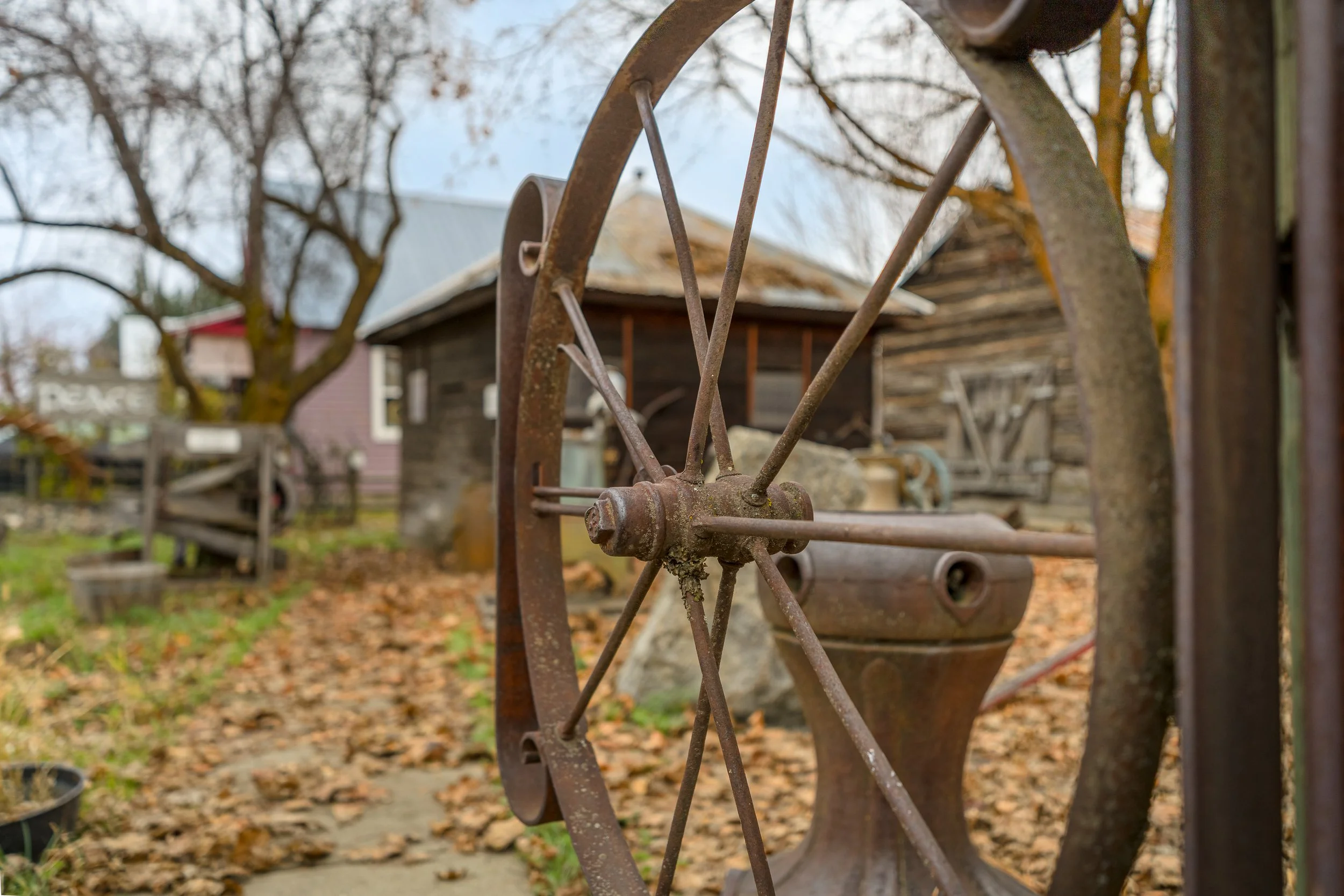
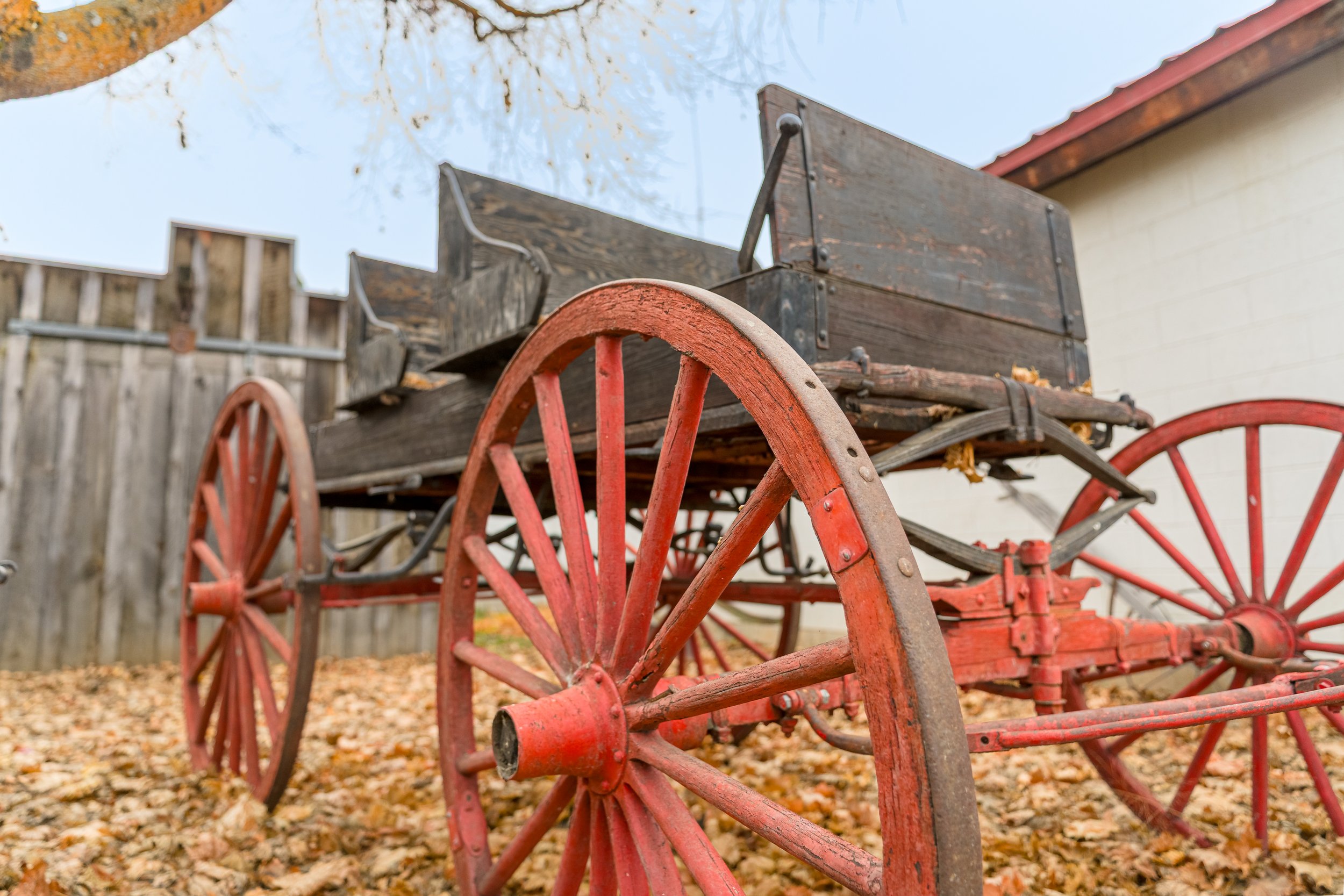
Halfway, Oregon’s Pine Valley Community Museum was first organized in 1972 for the purpose of preserving and sharing the history of the area. In 1975 it opened to the public in the old Christian Church building on Main Street. The Museum’s current home, in a building shared with the offices of the City of Halfway, was completed in April of 1985. Moved to the property to become part of the Museum’s display offerings, were the first (log) schoolhouse in Pine Valley, the City’s original jail building, and an historic smokehouse. In the years since a “carriage house” has been built to house additional artifacts and displays as well as serving as winter storage for a horse-drawn carriage on outdoor display during the Museum’s summer season.
Support The Museum
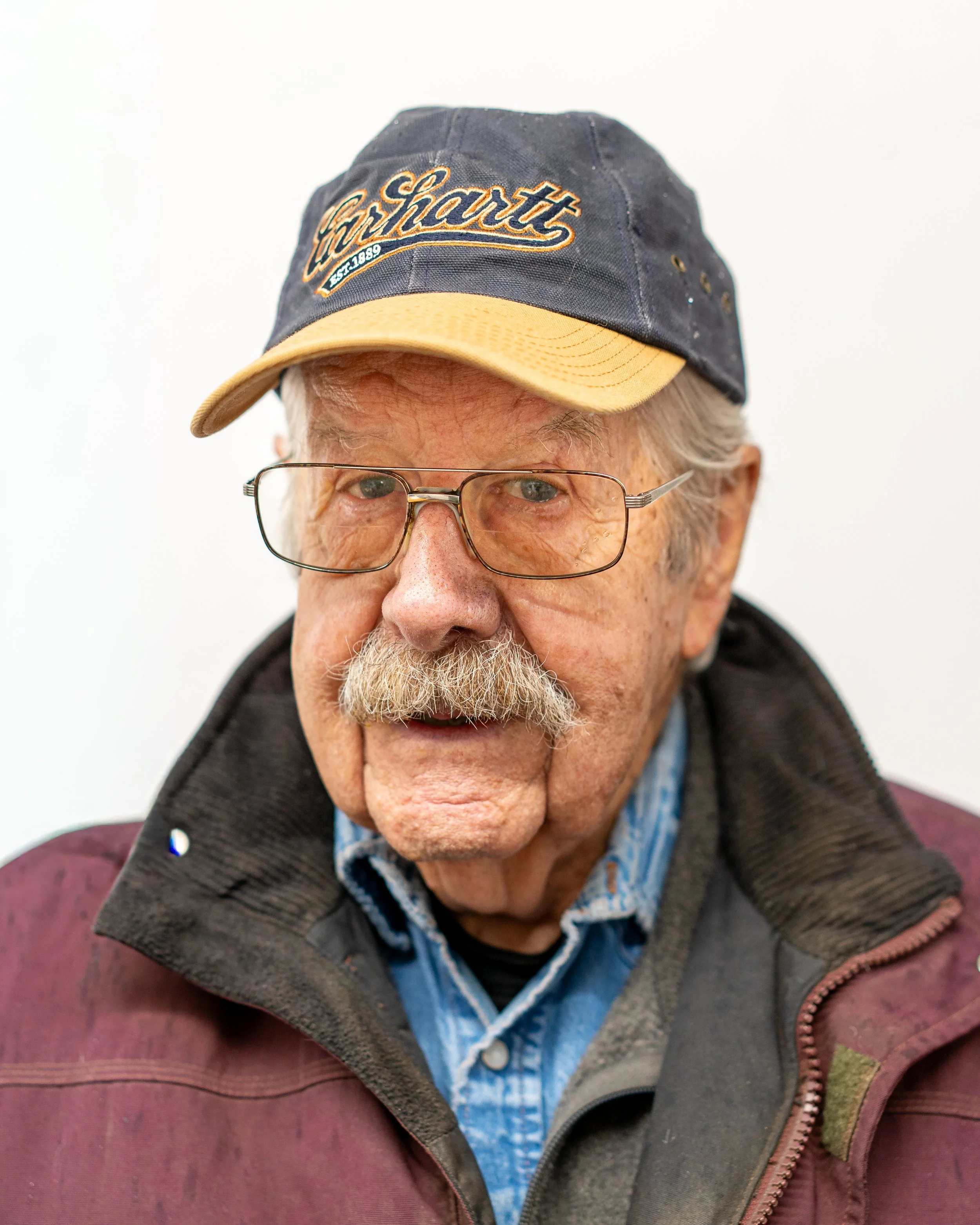
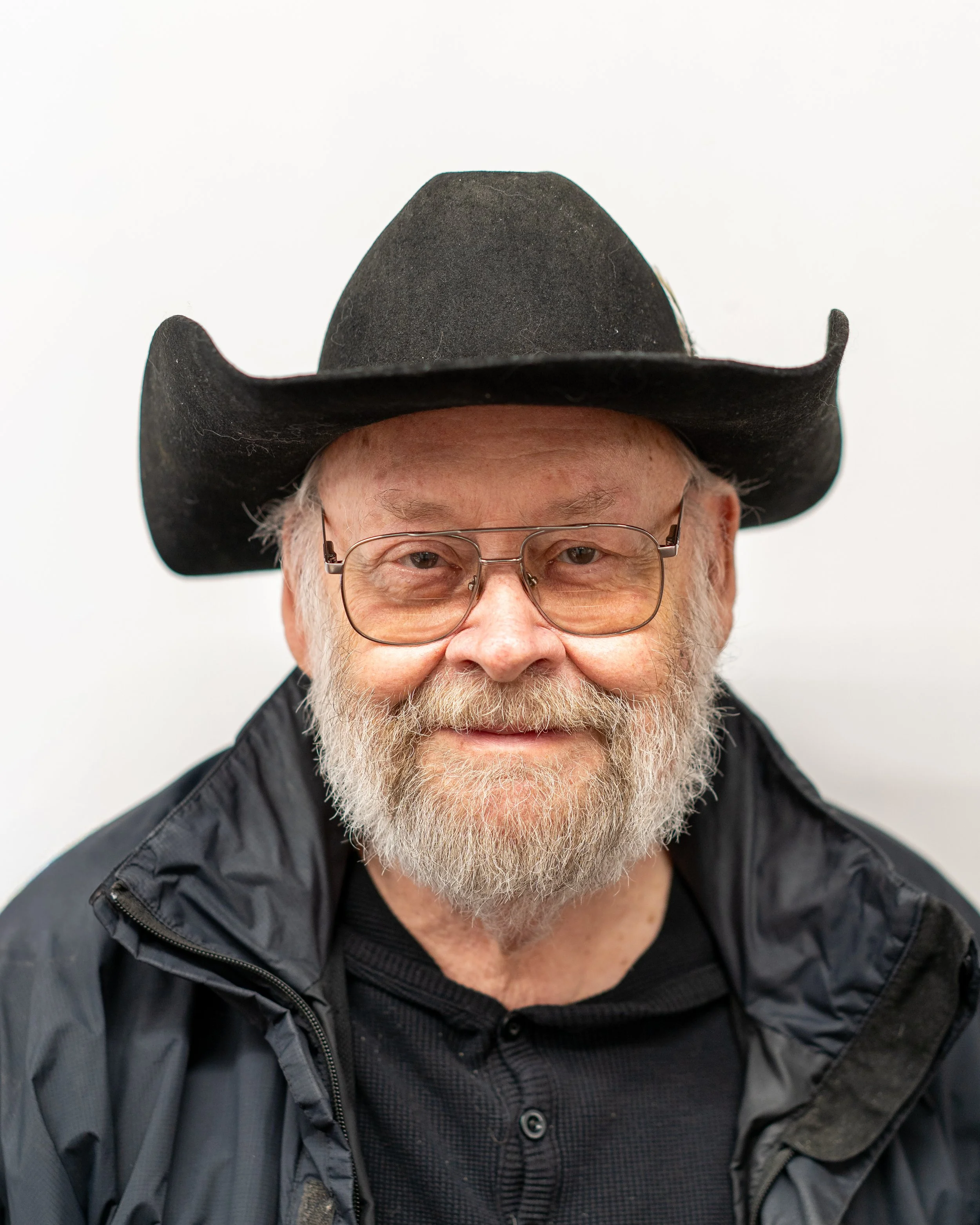
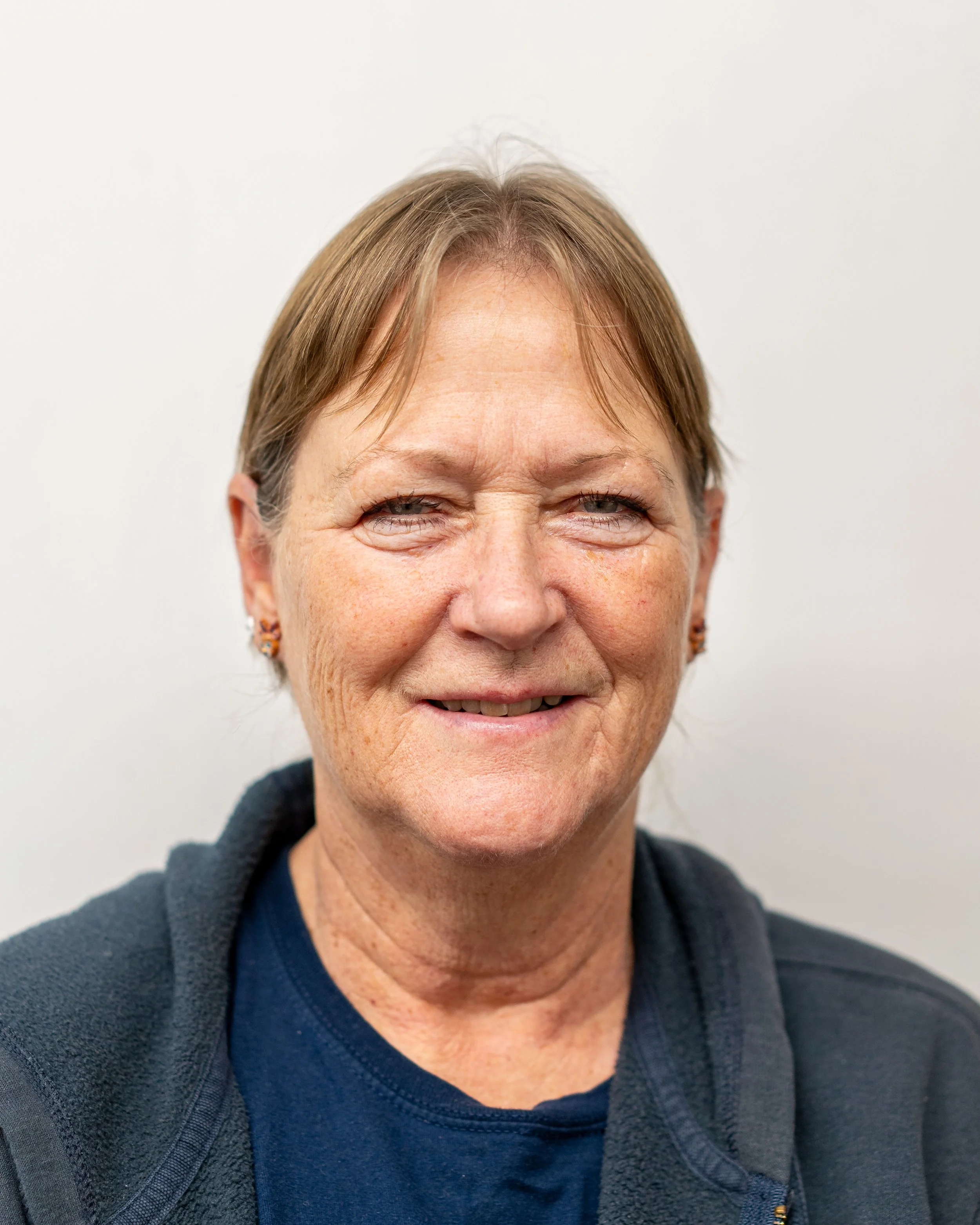
Meet the Museum Board
-
![]()
Dale Taylor
President
-
![]()
Bob Taylor
Vice-President
-
![]()
Bill Schuhle
Secretary/Treasurer
-
![]()
Melody Huff
Member-At-Large
-
![]()
Galen West
Member-At-Large